web analytics

Menu

Skip to content
Shades of Knife
  • Home
  • True Colors of a Vile Wife
  • Need Inspiration?
  • Blog Updates
  • SOK Gallery
  • Vile News Reporter
  • About Me
  • Contact Me

Shades of Knife

True Colors of a Vile Wife

M/s Jindal Polyster Ltd Vs Rahul Jaura on 18 Oct 2005 – Judgment Summary

Posted on March 8 by Suprajaa Rajan

The Delhi High Court examined a petition filed under Article 227 of the Constitution of India challenging a trial court order. The dispute arose in a recovery suit where the defendant denied appointing the plaintiff as an insurance consultant. Later, the defendant realised that the denial resulted from confusion regarding the company’s earlier name. The defendant then sought amendment of the written statement.

The plaintiff opposed the amendment and also filed an application under Section 340 CrPC (Section 379 BNSS) alleging perjury.

The High Court examined whether the amendment should be allowed and whether such allegations should affect the amendment request.

The following paragraphs explain the reasoning that led to the final decision.

“The defendant then realized its mistake because the earlier name of the defendant-company was ‘M/s Hindustan Pipe Udyog Limited’ and ‘Hindustan Synthetic Fibres’ was a division of ‘Hindustan Pipe Udyog Limited’. In the year 1992 the name ‘Hindustan Pipe Udyog Limited’ was changed to ‘Jindal Polysters and Steel Limited’, which name was again changed to ‘Jindal Polysters Limited’ in the year 1995.”

“The explanation given for the amendment was that there was a communication gap between the defendant and his earlier counsel and that Mr. Sumeet Maheshwari, who joined the defendant as Company Secretary in the year 1994 was not very much acquainted with the fact that the earlier name of the defendant company was ‘Hindustan Pipe Udyog Limited’.”

“After hearing both the learned counsel for the parties, I am of the view that so far as the application under Section 340 Cr.P.C. is concerned, it is established law that this has to be dealt with normally at the time of final disposal of the matter and after the trial court judge forms an opinion that an offence of perjury had been intentionally committed and that it was expedient in the interest of justice to lodge a complaint.”

“I find force in the contentions of the learned counsel for the petitioner-defendant that there was change of names repeatedly about the defendant company and the company could not run away with any averment about its denial of the appointment of plaintiff.”

Decision

The Delhi High Court allowed the petition and set aside the trial court’s order.

The Court permitted the amendment of the written statement under Order VI Rule 17 CPC. It allowed the amendment subject to costs of ₹10,000.

The Court also clarified that allegations under Section 340 CrPC (Section 379 BNSS) should be considered at the appropriate stage during the trial.


M:s Jindal Polyster Ltd Vs Rahul Jaura on 18 Oct 2005


Citation :2005:DHC:3716

Other Sources :


Index of Perjury proceedings is here.


Key Contributor :

Mrs. Suprajaa Rajan B.Com., LL.B., LL.M.

+91-9606345150


Post Views: 68
Posted in High Court of Calcutta Judgment or Order or Notification High Court of Delhi Judgment or Order or Notification | Tagged 1-Judge Bench Decision BNSS 379 - Procedure in cases mentioned in section 215 Cases where Perjury Proceedings were initated CrPC 340 - Dispose Perjury first M/s Jindal Polyster Ltd Vs Rahul Jaura | Leave a comment

Punjab Tractors Ltd Vs M/s International Traders Ltd and Ors on 18 Sep 2009 – Judgment Summary

Posted on March 8 by Suprajaa Rajan

The Delhi High Court decided an important issue on perjury proceedings under Section 340 CrP (Section 379 BNSS).

The defendants sought prosecution of the plaintiff’s officials for allegedly filing fabricated drawings and false statements. The court examined whether the circumstances justified criminal prosecution for perjury during civil proceedings.

The judgment clarifies that courts must exercise extreme caution before initiating perjury proceedings. Courts should order prosecution only in clear cases where conviction appears likely.

The following paragraphs explain the court’s reasoning that led to the final decision.

“21. Formation of prima facie opinion that a person charged has intentionally given false evidence is a condition precedent for directing lodging of a complaint. The existence of mens rea or criminal intention behind act complained of will have to be looked into and considered before any action under Section 340 of the Cr.PC is recommended.”

“22. The affidavits of Mr. Manrao and Mr. Rihal aforesaid were in the nature of pleadings of the plaintiff. The court must be very cautious in its approach in prosecuting a person for making any statement claimed to be false in regard to a pleading, so that party’s right to plead freely is not curtailed.”

“23.It cannot also be lost sight of that in criminal prosecution there is waste of public funds and time of courts. For this reason also in every case of perjury the court would not mechanically take cognizance or direct prosecution. Prosecution should be ordered only when it is considered expedient and in the interest of justice to punish the delinquent.”

“24. There is yet another principle of law though relating to witnesses. A witness is entitled to an opportunity to correct himself. In the present case, Mr. Rihal during the cross examination admitted two mistakes in the drawings alleged to be fabricated. Mr. Rihal having corrected himself, ought not to be prosecuted.”

Decision

The Delhi High Court dismissed the defendants’ application under Section 340 CrPC (Section 379 BNSS).

The court held that the facts did not justify prosecution for perjury. The alleged discrepancies in drawings did not establish deliberate falsity or criminal intent.

The court also noted that excessive perjury prosecutions may defeat the purpose of justice.


Punjab Tractors Vs International Tractors on 18 Sep 2009


Citation :167 (2010) DLT 490

Other Sources :


Index of Perjury Judgements is here. 


Key Contributor :

Mrs Suprajaa Rajan B.Com., LL.B., LL.M.

+91-9606345150


Post Views: 62
Posted in High Court of Delhi Judgment or Order or Notification | Tagged BNSS 379 - Procedure in cases mentioned in section 215 Cases where Perjury Proceedings were initated IPC 191 - Giving false evidence Punjab tractors ltd Vs M/s International Traders ltd and Ors Section 340 CrPC | Leave a comment

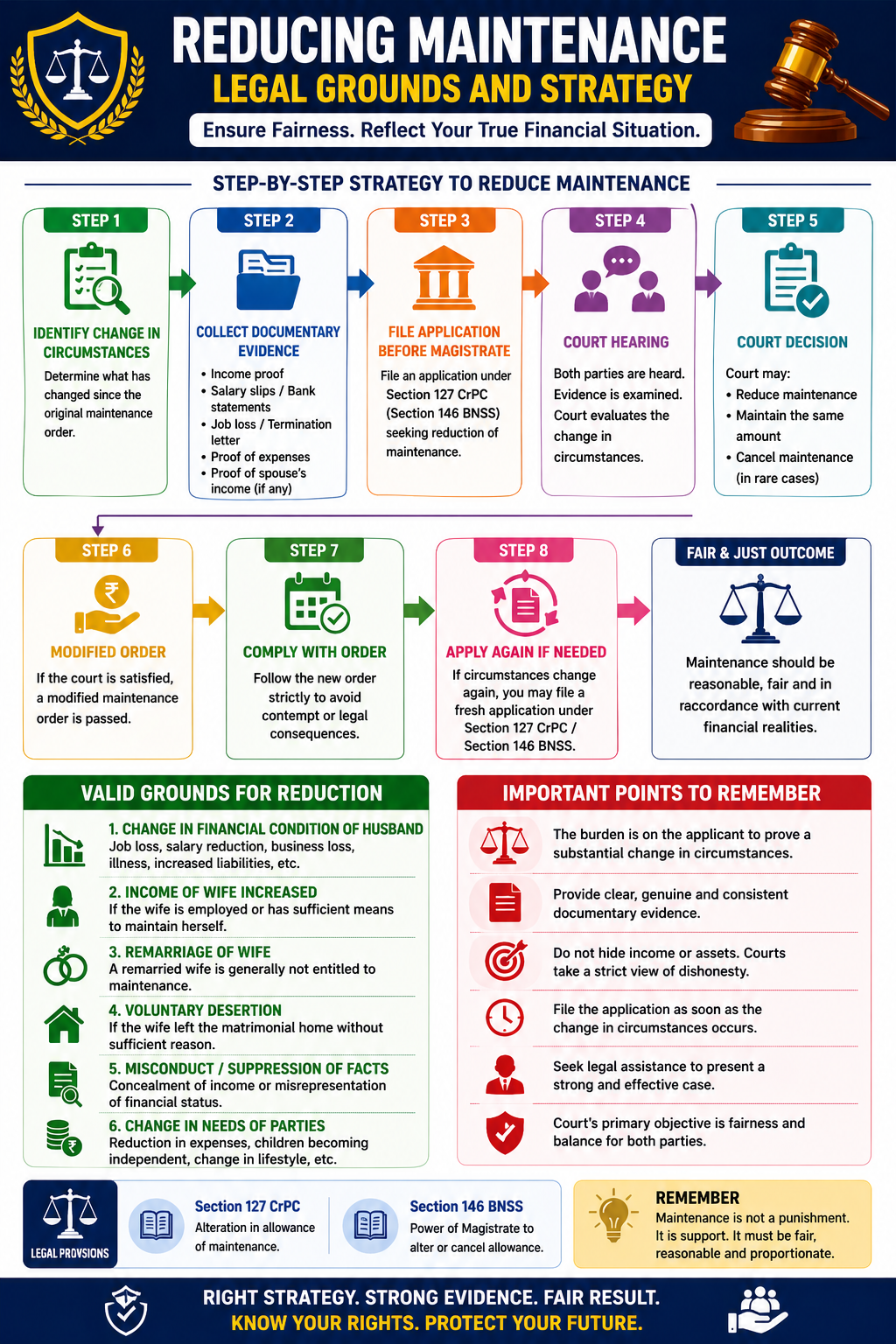
How to Defend Excessive Maintenance Claims in Matrimonial Cases

Posted on March 8 by Suprajaa Rajan

Maintenance disputes are among the most contested aspects of matrimonial litigation. Frequently, one spouse may claim maintenance that is significantly higher than the actual financial capacity of the other spouse. In such situations, it becomes essential to understand how the law evaluates maintenance claims and what legal strategies can be used to challenge excessive demands.

Therefore, defending an exaggerated maintenance claim requires a careful examination of financial records, legal principles, and factual circumstances. This article explains the legal framework governing maintenance in India and the practical strategies that can be used to contest excessive claims before the court.

Understanding Maintenance Under Indian Law

Maintenance is intended to provide financial support to a spouse who lacks sufficient means for sustenance. However, the objective of maintenance law is not to punish one spouse or provide an unjust enrichment to the other.

In India, maintenance may be claimed under several legal provisions, including:

  • Section 125 of the Code of Criminal Procedure

  • Section 24 and Section 25 of the Hindu Marriage Act

  • Section 20 of the Protection of Women from Domestic Violence Act

These provisions aim to ensure that a financially dependent spouse is able to maintain a reasonable standard of living.

However, courts also recognise that maintenance must be proportionate to the paying spouse’s income and financial obligations.

Principles Considered by Courts While Determining Maintenance

Before awarding maintenance, courts usually evaluate several factors. These factors help ensure that the amount awarded is fair and balanced.

Some important considerations include:

  • Actual income of both spouses

  • Standard of living during the marriage

  • Financial liabilities of the respondent

  • Employment and earning capacity of the claimant

  • Number of dependents

  • Educational qualifications and work experience of the spouse claiming maintenance

The Supreme Court in Rajnesh v. Neha laid down detailed guidelines for determining maintenance, including mandatory disclosure of assets and liabilities by both parties.

These guidelines aim to prevent exaggerated or misleading maintenance claims.

Step 1: Demand Full Financial Disclosure

First and foremost, the respondent should insist on complete financial disclosure by the claimant spouse.

This may include:

  • Income tax returns

  • Bank statements

  • Salary slips

  • Investment records

  • Details of movable and immovable property

If the claimant is employed or earning independently, these records can significantly weaken an inflated maintenance claim.

Moreover, courts are increasingly strict about accurate disclosure of financial information.

Step 2: Challenge Incorrect Income Allegations

In many cases, the claimant spouse may overstate the respondent’s income. For example, allegations may be made that the respondent earns large amounts through business or undisclosed sources.

However, such allegations must be supported by documentary evidence.

Therefore, the respondent should submit:

  • Income tax returns

  • Salary certificates

  • Business financial statements

  • Loan repayment records

These documents help the court determine the actual earning capacity of the respondent.

Step 3: Highlight Financial Liabilities

Another important strategy is to demonstrate the existing financial responsibilities of the respondent.

Courts consider various liabilities such as:

  • Housing loans or personal loans

  • Responsibility for elderly parents

  • Educational expenses of children

  • Medical expenses of dependents

When these obligations are properly documented, the court may reduce the maintenance amount to a reasonable level.

Step 4: Show the Claimant’s Earning Capacity

Maintenance is generally awarded when the spouse is unable to maintain herself or himself independently. However, if the claimant is educated, professionally qualified, or capable of earning, courts may reduce or deny excessive maintenance claims.

For instance, if the claimant has:

  • Professional qualifications

  • Prior employment history

  • Independent income sources

the court may conclude that the claimant has the capacity to support themselves partially or fully.

Consequently, exaggerated maintenance demands may be rejected.

Step 5: Point Out Lifestyle Exaggeration

Sometimes, the claimant may attempt to justify a high maintenance demand by claiming an extremely luxurious lifestyle during marriage.

However, the court will examine whether such claims are realistic and supported by evidence.

Therefore, the respondent should present evidence such as:

  • Actual household expenses

  • Standard living conditions during marriage

  • Financial limitations faced during the relationship

This helps demonstrate that the maintenance claim is inflated beyond reality.

Step 6: Seek Interim Relief Modification

If the court has already granted interim maintenance, the respondent may apply for modification if the amount is unreasonable.

Modification may be sought when:

  • Financial circumstances change

  • New evidence regarding income emerges

  • The claimant conceals financial information

Courts may revise interim maintenance orders to ensure fairness.

Step 7: Expose Suppression of Income or Assets

In some cases, the claimant spouse may hide employment or assets while claiming maintenance.

If evidence of such concealment is produced, courts may:

  • Reduce the maintenance amount

  • Dismiss the claim

  • Impose costs

Therefore, conducting proper financial investigation and documentation becomes crucial.

Importance of Documentation in Maintenance Defence

Defending excessive maintenance claims largely depends on documentary evidence. Oral allegations rarely carry much weight unless supported by records.

Important documents include:

  • Income tax returns

  • Salary certificates

  • Bank statements

  • Loan documents

  • Property records

  • Employment history of the claimant spouse

When these records are properly presented, they provide the court with a realistic picture of the financial situation of both parties.

Conclusion

Maintenance laws aim to protect financially dependent spouses. However, they are not meant to enable unreasonable or inflated financial demands. Therefore, defending excessive maintenance claims requires a structured legal approach, accurate financial disclosure, and strategic presentation of evidence.

By demonstrating the true income, financial liabilities, and earning capacity of both spouses, the respondent can ensure that the court determines a fair and reasonable maintenance amount.

Ultimately, courts strive to strike a balance between financial support and fairness, ensuring that maintenance orders reflect genuine need rather than exaggerated claims.


Index of Legal Strategies and Defence is here.


Key Contributor :

Mrs. Suprajaa Rajan B.Com., LL.B., LL.M.

+91-9606345150


Post Views: 268
Posted in Legal Procedure | Tagged BNSS Sec 144 - Order for maintenance of wives children and parents legal strategy and defence Maintenance Defence Matrimonial Criminal Law Matrimonial dispute matrimonial offences | Leave a comment

Kamaljeet Kaur and Anr Vs Harbhajan Singh and Anr on 26 Aug 2022

Posted on March 7 by ShadesOfKnife

The High Court held that initiation of proceedings under Section 340 Cr.P.C. was justified where the court found possible false statements regarding employment in a maintenance petition. The Court observed that such proceedings aim to protect the sanctity of judicial processes.

The Court ruled that the truth of the allegations must emerge during the enquiry. It dismissed the appeal and allowed the perjury proceedings to continue.

The following extracts form the basis of the Court’s reasoning.

“Admittedly, the dispute is between appellant No.1 and respondent No.1, who are husband and wife. Due to the matrimonial discord, appellant No.1 left the matrimonial home on 25.09.2017 and both of them started living separately.”

“A perusal of the provisions of Section 340 Cr.P.C. makes it evident that if the Court is of the opinion that it is expedient in the interest of justice that an inquiry should be made into any offence referred to in Clause (b) of Sub-Section (1) of Section 195… such Court after such preliminary enquiry is competent to order the proceedings under Section 340 Cr.P.C.”

“Initiation of the proceedings under Section 340 Cr.P.C. is to carry out a thorough enquiry by affording opportunity to both the sides for establishing the truthfulness in the allegations.”

“Initiation of the proceedings under Section 340 Cr.P.C. in itself cannot be said to be punitive. Rather the same is expedient in the interest of justice for maintaining the sanctity of the judicial proceedings.”

“After hearing the counsel for the appellants and perusing the record… this Court is of the opinion that the impugned complaint and impugned orders suffer from no illegality.”

Decision

The High Court dismissed the appeal.

It upheld the Family Court’s decision to initiate proceedings under Section 340 Cr.P.C. The Court held that such enquiry was necessary to determine the truth of the alleged false statements regarding employment.

However, the Court clarified that its observations would not influence the trial court during further proceedings.


Kamaljeet Kaur Vs Harbhajan Singh on 26 Aug 2022


Index of Perjury Judgements is here.


Key Contributor :

Mrs. Suprajaa Rajan B.Com., LL.B., LL.M.

+91-9606345150


Post Views: 143
Posted in High Court of Punjab & Haryana Judgment or Order or Notification | Tagged Cases where Perjury Proceedings were initated false affidavit family court litigation Section 125 CrPC Section 340 CrPC | Leave a comment

Application for Certified Copy of FIR – Format, Procedure and Sample Draft

Posted on March 7 by Suprajaa Rajan

Obtaining a certified copy of an FIR (First Information Report) is often the first crucial step in any criminal case. Whether you are an accused person, a complainant, or a legal practitioner, having access to the FIR helps you understand the allegations, prepare a defence strategy, and take appropriate legal action.

Therefore, it is important to know how to apply for a certified copy of an FIR and what format should be used. In this guide, we will explain the legal basis, procedure, and provide a ready-to-use draft format for an application seeking a certified copy of an FIR.

What is a Certified Copy of an FIR?

An FIR (First Information Report) is a document registered by the police under Section 154 of the Code of Criminal Procedure, 1973 (CrPC) when information about a cognizable offence is received.

A certified copy of the FIR is an officially authenticated copy issued either by:

  • The concerned Police Station, or

  • The Jurisdictional Court

This certified copy carries official verification and can be used in legal proceedings, bail applications, or court filings.

Why is a Certified Copy of an FIR Important?

Before proceeding with any legal strategy, it is essential to obtain the FIR. This is because the FIR contains the exact allegations, sections of law invoked, and details of the incident.

Moreover, obtaining the FIR allows a person to:

  • Understand the nature of the allegations

  • Prepare anticipatory bail or regular bail applications

  • Verify whether false allegations have been made

  • Seek quashing of FIR before the High Court

  • Prepare an effective defense in criminal litigation

Therefore, applying for a certified copy of the FIR is often one of the first procedural steps in criminal cases.

Who Can Apply for a Certified Copy of an FIR?

Generally, the following persons can apply for a certified copy:

  • The accused person

  • The complainant or informant

  • Advocates representing the parties

  • Any person with a legitimate legal interest

Furthermore, courts have recognised that access to the FIR is essential for ensuring transparency and fairness in criminal investigations.

Where Should the Application Be Filed?

Depending on the circumstances, the application may be filed before:

  1. The Station House Officer (SHO) of the concerned police station, or

  2. The Jurisdictional Magistrate Court

However, if the police refuse to provide the copy, the applicant may approach the court to obtain a certified copy through the court registry.

Essential Details to Include in the Application

Before drafting the application, it is important to incorporate certain essential elements. These include:

  • Name and address of the applicant

  • Details of the police station

  • FIR number and date

  • Sections of law mentioned in the FIR

  • Reason for requesting the certified copy

  • Signature and contact details of the applicant

Including these details ensures that the application is processed efficiently by the authorities.

Sample Draft Format – Application for Certified Copy of FIR

Below is a simple and widely used format for requesting a certified copy of an FIR.

Sample Draft – Application for Certified Copy of FIR

To
The Station House Officer
[Name of Police Station]
[City/District]

Subject: Application for Certified Copy of FIR

Respected Sir/Madam,

I respectfully submit that an FIR bearing No. [____] dated [____] has been registered at your police station under Sections [____] of the Indian Penal Code / other applicable laws.

I am a concerned party in the above matter and require a certified copy of the said FIR for legal purposes.

Therefore, I kindly request you to provide a certified copy of the FIR at the earliest convenience.

I shall be grateful for your kind assistance in this regard.


Thanking you.


Yours faithfully,


[Name of Applicant]
[Address]
[Contact Number]
[Signature]

Date: [____]
Place: [____]

✔ Draft Copied Successfully!

Drafting Tip

Always verify the FIR number, police station name, and date of registration before submitting the application. Even a minor error may delay the process of obtaining the certified copy.


Index of Legal templates and drafting is here.


Disclaimer

This draft format is provided for educational and informational purposes only. Legal applications should always be tailored according to the specific facts of each case and applicable legal requirements.


Key Contributor : 

Mrs. Suprajaa Rajan B.Com., LL.B., LL.M.

+91-9606345150


Post Views: 1,213
Posted in Legal Procedure | Tagged application format Certified Copy of FIR criminal law drafts FIR application form legal drafting police complaint documents | Leave a comment

Draft Format of Anticipatory Bail Application (Section 438 CrPC)

Posted on March 6 by Suprajaa Rajan

A practical drafting guide and sample format for filing an anticipatory bail application under Indian criminal procedure.

Anticipatory bail is one of the most important safeguards available under Indian criminal law. Specifically, Section 438 of the Code of Criminal Procedure, 1973 allows a person who apprehends arrest to seek pre-arrest bail from the Sessions Court or High Court.

In matrimonial criminal cases, anticipatory bail is frequently sought in allegations under Section 498A IPC, Section 406 IPC, and related offences. Therefore, drafting an anticipatory bail application requires clarity, precision, and a well-structured presentation of facts.

This guide explains when anticipatory bail can be filed, the legal principles governing it, and a structured draft format that can be adapted based on facts of each case.

I. Legal Basis of Anticipatory Bail

The concept of anticipatory bail was introduced to protect personal liberty against arbitrary arrest.

The Supreme Court in Gurbaksh Singh Sibbia v. State of Punjab held that anticipatory bail is a device to secure individual liberty and prevent misuse of the criminal process.

Subsequently, the Court in Siddharam Satlingappa Mhetre v. State of Maharashtra emphasised that arrest should not be used as a routine measure where investigation can proceed without custody.

Therefore, anticipatory bail operates as a preventive remedy against unnecessary detention.

II. When Anticipatory Bail Can Be Filed

You can file an application under Section 438 CrPC when:

  • The applicant reasonably apprehends arrest

  • An FIR has been registered or is likely to be registered

  • Allegations involve offences where arrest is possible

  • The applicant is willing to cooperate with investigation

In matrimonial criminal litigation, anticipatory bail is commonly sought immediately after registration of FIR or receipt of notice under Section 41A CrPC.

Read also : Anticipatory Bail in Matrimonial Offences – Complete Guide.

III. Key Elements of a Strong Anticipatory Bail Application

Before drafting, you should incorporate certain essential elements.

1. Clear narration of facts

The application should briefly describe the background of the dispute and circumstances leading to registration of the FIR.

2. Explanation of false implication

Where allegations are exaggerated or motivated, the applicant should explain the circumstances demonstrating false implication or exaggeration.

3. Absence of criminal antecedents

Courts often consider whether the applicant has prior criminal history.

4. Willingness to cooperate

A clear undertaking to cooperate with investigation significantly strengthens the request for bail.

5. Assurance against tampering with evidence

The applicant should state that he or she will not influence witnesses or obstruct investigation.

These elements collectively demonstrate bona fide conduct and respect for the legal process.

IV. Sample Draft Format – Anticipatory Bail Application


Sample Draft – Anticipatory Bail Application (Section 438 CrPC)

BEFORE THE HONOURABLE SESSIONS COURT AT [CITY]

Criminal Miscellaneous Application under Section 438 CrPC

In the matter of:

[Applicant Name]
…Applicant

Versus

State of [State]
…Respondent


APPLICATION UNDER SECTION 438 OF THE CODE OF CRIMINAL PROCEDURE, 1973 SEEKING ANTICIPATORY BAIL

Most Respectfully Submitted:

1. That the Applicant is a law-abiding citizen and has deep roots in society.

2. That the present application is being filed under Section 438 of the Code of Criminal Procedure, 1973 as the Applicant apprehends arrest in connection with FIR No. [____] registered at [Police Station] for offences alleged under Sections [____].

3. That the allegations made in the FIR are false, exaggerated and motivated by matrimonial discord between the parties.

4. That the Applicant has not committed any offence as alleged and has been falsely implicated due to personal differences.

5. That the Applicant has no criminal antecedents and has always cooperated with lawful authorities.

6. That the Applicant is willing to cooperate with the investigation and undertakes to appear before the Investigating Officer whenever required.

7. That the Applicant undertakes not to tamper with evidence or influence any witnesses.

8. That custodial interrogation of the Applicant is not required for the purpose of investigation.

9. That arrest of the Applicant would cause irreparable harm to his reputation and personal liberty.

10. That the Applicant undertakes to abide by any conditions that may be imposed by this Hon’ble Court.

PRAYER

In view of the facts and circumstances stated above, it is most respectfully prayed that this Hon’ble Court may be pleased to:

a) Grant anticipatory bail to the Applicant in the event of arrest in connection with the aforesaid FIR; and

b) Pass any other order deemed fit and proper in the interest of justice.


Place: [City]
Date: [Date]


Counsel for the Applicant
[Signature]

✔ Draft Copied Successfully!

V. Documents Commonly Filed Along With the Application

Generally, the following documents accompany the application:

  • Copy of FIR (if available)

  • Identity proof of applicant

  • Supporting documents (where relevant)

  • Affidavit verifying the application

These documents assist the court in evaluating the bona fides of the applicant.

VI. Important Drafting Tips

While drafting anticipatory bail applications, the following principles are crucial.

  • First, allegations should be addressed briefly and strategically, rather than arguing the entire case.
  • Secondly, unnecessary emotional language should be avoided.
  • Furthermore, the application should maintain a respectful and professional tone, demonstrating willingness to cooperate with investigation.
  • Finally, facts should remain consistent with other pleadings filed in related matrimonial proceedings.

VII. Common Mistakes to Avoid

Certain mistakes can weaken an anticipatory bail application.

These include:

  • Excessively lengthy narration of facts

  • Admission of disputed allegations

  • Aggressive language against the complainant

  • Failure to mention cooperation with investigation

Therefore, maintaining clarity and restraint in drafting is essential.

Conclusion

Anticipatory bail serves as an essential safeguard protecting individuals from unnecessary arrest. Consequently, a well-drafted application can significantly influence the court’s decision.

By clearly presenting facts, demonstrating cooperation, and addressing the legal requirements of Section 438 CrPC, applicants can effectively seek protection of their liberty.

However, each case depends on its specific circumstances. Therefore, the draft format provided above should always be adapted to the facts and procedural posture of the case.


Index of Legal Templates and Drafting is here.


Disclaimer

These templates are provided for educational and informational purposes. Every case depends on specific facts and procedural posture. Professional legal advice should be obtained before filing any application.


Key Contributor :

Mrs. Suprajaa Rajan B.Com., LL.B., LL.M.

+91-9606345150


Post Views: 732
Posted in Legal Procedure | Tagged Anticipatory Bail format Bail Application High Court or Sessions Court Maintainable Criminal Procedure India CrPC 438 - Anticipatory Bail | Leave a comment

Matrimonial Criminal Litigation – The Complete Prosecution Strategy Guide

Posted on March 5 by Suprajaa Rajan

A structured guide explaining how matrimonial criminal cases are initiated, investigated, and prosecuted under Indian criminal law.

Matrimonial disputes often escalate into criminal litigation involving allegations of cruelty, dowry harassment, domestic violence, or financial neglect. Consequently, effective prosecution requires not only filing complaints but also building a coherent legal strategy supported by documentary and oral evidence.

This playbook outlines the procedural roadmap, legal remedies, and strategic considerations available to the prosecution side in matrimonial criminal litigation. Furthermore, it highlights how complainants can navigate investigations, bail proceedings, trial stages, and post-judgment remedies effectively.

I. Initiating Criminal Proceedings

At the outset, the prosecution must ensure that allegations are clearly articulated and supported by preliminary material. Therefore, initiating proceedings correctly becomes crucial.

1. Filing a Complaint or FIR

A criminal case may be initiated through:

  • Registration of an FIR under Section 498A IPC

  • Complaint for criminal breach of trust under Section 406 IPC

  • Filing a Domestic Violence complaint under the Protection of Women from Domestic Violence Act, 2005

  • Maintenance proceedings under Section 125 CrPC

These provisions collectively aim to address cruelty, financial neglect, and unlawful retention of dowry articles.

However, the complainant must ensure that the complaint contains:

  • Specific incidents of cruelty

  • Dates and locations of harassment

  • Details of dowry demands

  • Names and roles of accused persons

Without these particulars, the prosecution case may appear vague during investigation or trial.

II. Investigation Stage: Strengthening the Prosecution Case

Once an FIR is registered, the matter enters the investigation phase. At this stage, the complainant should actively assist the investigating authorities.

1. Providing Documentary Evidence

The prosecution should gather and submit:

  • Marriage photographs and invitations

  • Bank transfers or financial transactions

  • Medical records of injuries

  • WhatsApp chats, emails, or messages

  • Audio or video recordings (where available)

Consequently, documentary evidence often plays a decisive role in corroborating allegations.

2. Witness Statements

Additionally, statements of the following witnesses may support the prosecution case:

  • Parents and relatives

  • Neighbours

  • Friends aware of the dispute

  • Independent witnesses present during incidents

Strong witness testimony strengthens the prosecution narrative during trial.

III. Responding to Bail Proceedings

In many matrimonial criminal cases, the accused may seek anticipatory bail or regular bail. Accordingly, the prosecution must present strong objections.

1. Opposing Anticipatory Bail

While opposing bail under Section 438 CrPC, the complainant may argue:

  • Seriousness of allegations

  • Continuous harassment or cruelty

  • Risk of intimidation of witnesses

  • Possibility of evidence tampering

Furthermore, the prosecution may highlight the need for custodial interrogation if recovery of dowry articles is required.

2. Conditions on Bail

Even when bail is granted, the prosecution can request conditions such as:

  • No contact with the complainant

  • Regular cooperation with investigation

  • Restrictions on leaving jurisdiction

These conditions help protect the complainant during ongoing proceedings.

IV. Parallel Civil and Criminal Remedies

Matrimonial litigation often involves multiple simultaneous proceedings. Therefore, the prosecution side may pursue parallel remedies.

1. Domestic Violence Proceedings

Under the Protection of Women from Domestic Violence Act, 2005, the complainant may seek:

  • Protection orders

  • Residence orders

  • Monetary relief

  • Compensation for mental cruelty

These remedies provide immediate relief even before completion of criminal trials.

2. Maintenance Claims

Additionally, financial support can be sought through:

  • Section 125 CrPC

  • Interim maintenance in domestic violence proceedings

  • Maintenance under personal laws

Maintenance proceedings ensure financial security for the complainant and dependents.

V. Chargesheet and Trial Strategy

After investigation, the police may file a chargesheet before the Magistrate. At this stage, the prosecution strategy shifts toward trial preparation.

1. Ensuring Proper Framing of Charges

The prosecution must ensure that charges are framed appropriately under relevant provisions, including:

  • Section 498A IPC

  • Section 406 IPC

  • Other applicable offences based on evidence

Clear framing of charges defines the scope of the trial.

2. Examination of Witnesses

During trial, the prosecution must:

  • Present witnesses in logical sequence

  • Ensure consistency in statements

  • Address contradictions promptly

Effective witness examination significantly influences the outcome of the case.

3. Documentary Evidence

Moreover, documentary evidence must be properly marked and proved during trial.

Failure to prove documents may weaken the prosecution case even if the allegations are otherwise serious.

VI. Settlement and Mediation

Although matrimonial criminal cases are serious in nature, courts sometimes encourage mediation or settlement, particularly when reconciliation or mutual divorce is possible.

In such circumstances, the parties may enter into:

  • Compromise agreements

  • Mutual consent divorce settlements

  • Withdrawal or quashing of proceedings before the High Court

However, the complainant must ensure that financial settlements and legal protections are clearly documented before agreeing to any compromise.

VII. Post-Trial Remedies

After the trial concludes, the prosecution may still have legal remedies depending on the outcome.

1. Appeal Against Acquittal

If the accused is acquitted, the complainant may seek appeal against acquittal before the appropriate appellate court.

2. Enforcement of Compensation Orders

Courts may also grant compensation under criminal law provisions. Consequently, the complainant may initiate execution proceedings to enforce such orders.

3. Enforcement of Maintenance Orders

Maintenance orders can be enforced through:

  • Execution proceedings

  • Recovery warrants

  • Attachment of salary or property

These remedies ensure compliance with court directions.

VIII. Strategic Considerations for the Prosecution

To ensure a strong prosecution case, the complainant should follow certain strategic principles.

First, allegations must remain consistent across FIRs, complaints, and witness statements. Secondly, documentary evidence should be preserved from the earliest stage of the dispute.

Furthermore, complainants should avoid exaggeration or inclusion of unrelated family members without evidence, as courts increasingly scrutinize such allegations.

Ultimately, a well-structured prosecution case depends on credible evidence, procedural compliance, and effective presentation before the court.

Conclusion

Matrimonial criminal litigation requires careful navigation of criminal procedure, evidentiary rules, and parallel civil remedies. Therefore, the prosecution side must adopt a structured legal strategy from the very beginning.

By documenting incidents, cooperating with investigators, and presenting consistent evidence, complainants can significantly strengthen their case.

In conclusion, the prosecution playbook in matrimonial litigation is not merely about initiating proceedings. Rather, it involves systematic preparation, strategic litigation, and effective utilisation of statutory remedies available under Indian law.


Index of Legal Strategies and Defence is here.


Key Contributor :

Mrs. Suprajaa Rajan B.Com., LL.B., LL.M.

+91-9606345150


Post Views: 110
Posted in Legal Procedure | Tagged Criminal Trial Matrimonial Criminal Law Matrimonial Litigation India Prosecution strategy Protection of Women from Domestic Violence Act 2005 | Leave a comment

Matrimonial Criminal Litigation – The Complete Defence Guide

Posted on March 5 by Suprajaa Rajan

A structured legal roadmap to protect liberty, reputation, and financial security at every stage of criminal matrimonial proceedings.

Matrimonial criminal litigation in India often begins abruptly — with an FIR under Section 498A IPC, a complaint under the Domestic Violence Act, or a maintenance claim under Section 125 CrPC.

What follows is confusion, pressure, and procedural complexity.

This playbook provides a stage-wise strategic framework for navigating criminal matrimonial disputes lawfully and effectively.

I. Stage One: Immediately After FIR Registration

Most accused individuals panic at this stage. Strategy must, undoubtedly, begin immediately.

Key Legal Provisions:

  • Section 498A IPC

  • Section 406 IPC

  • Section 34 IPC

  • Section 41 & 41A CrPC

Immediate Strategic Steps:

  • Verify FIR contents
  • Assess arrest risk
  • Prepare anticipatory bail strategy
  • Collect documentary evidence
  • Preserve digital communications

The Supreme Court in Arnesh Kumar v. State of Bihar, held that arrest cannot be automatic in offences punishable up to seven years.

Read also : Arrest Procedure in 498A Cases After Arnesh Kumar

II. Stage Two: Bail & Liberty Protection

Personal liberty under Article 21 of the Constitution remains paramount.

Strategic Remedies:

1. Anticipatory Bail – Section 438 CrPC

Filed when arrest apprehension exists.

2. Regular Bail – Section 437/439 CrPC

Filed after arrest.

3. Transit Anticipatory Bail

When FIR is lodged in another State.

Courts evaluate:

  • Specificity of allegations

  • Role of each accused

  • Possibility of tampering

  • Cooperation with investigation

Read also : Anticipatory Bail in Matrimonial Offences – Complete Guide

III. Stage Three: Investigation & Chargesheet

After investigation, police may file chargesheet under:

  • Section 173 CrPC

This stage determines the trial trajectory.

Defence Strategy Includes:

  • Filing discharge application
  • Challenging omnibus allegations
  • Examining absence of specific overt acts
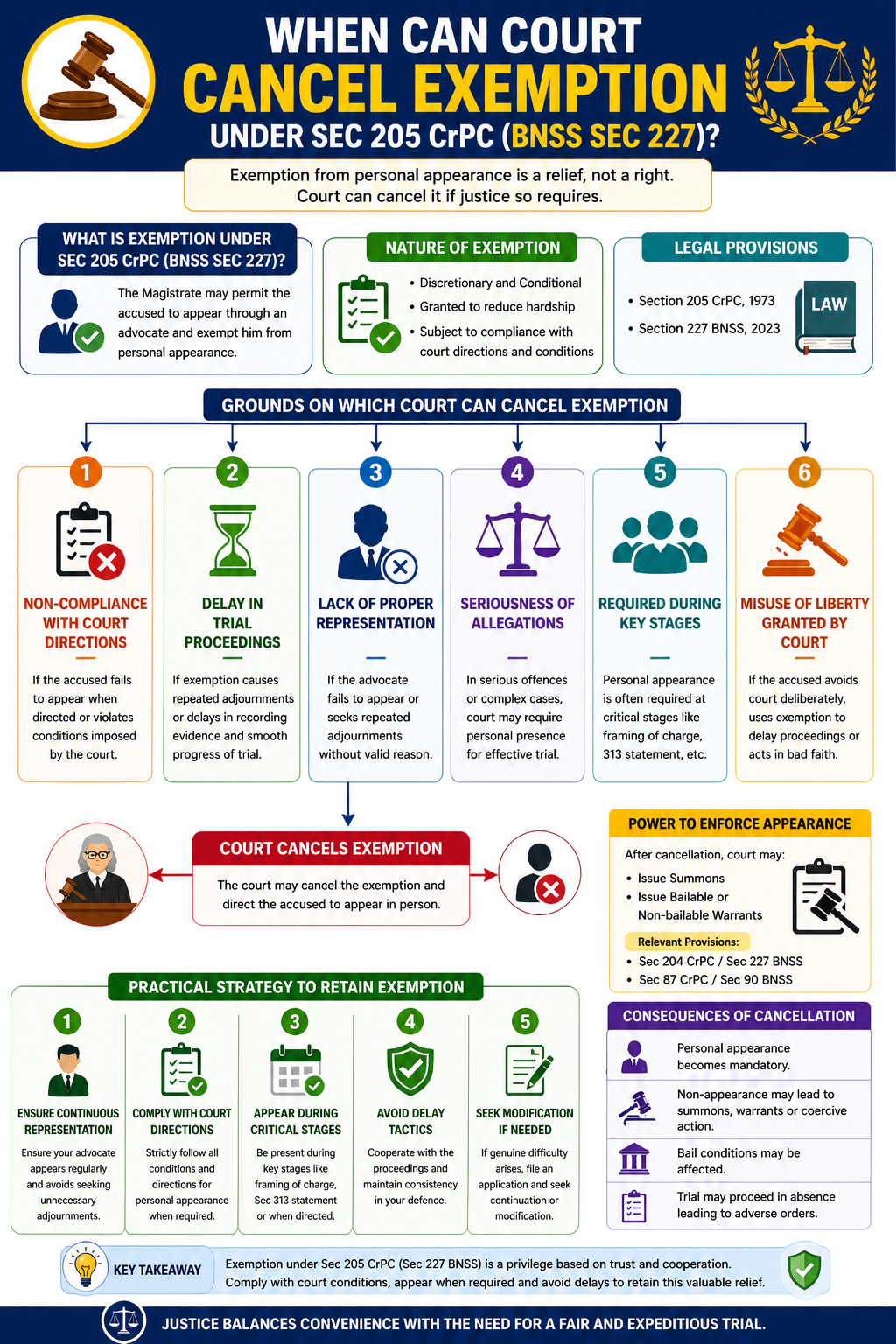
  • Seeking exemption from personal appearance

High Courts frequently quash proceedings against distant relatives where allegations are vague.

Read also : Discharge Application in 498A Cases – Legal Framework

IV. Stage Four: High Court Remedies

Where proceedings amount to abuse of process, remedy lies under:

  • Section 482 CrPC

High Courts exercise inherent powers to prevent miscarriage of justice.

Grounds commonly invoked:

  • Absence of prima facie case

  • Generalised allegations

  • Settlement between parties

  • Malicious prosecution

Read also : Quashing of FIR Under Section 482 CrPC – Explained

V. Parallel Civil & Financial Litigation

Matrimonial disputes rarely remain confined to criminal law.

Parallel proceedings may include:

  • Domestic Violence Act, 2005

  • Section 125 CrPC Maintenance

  • Divorce proceedings under personal laws

Financial Defence Strategy:

  • Accurate income disclosure
  • Challenging inflated claims
  • Contesting interim maintenance
  • Seeking modification upon change of circumstances

VI. Trial Strategy

If matter proceeds to trial, defence must shift from procedural to evidentiary strength.

Key Focus Areas:

  • Cross-examination strategy

  • Contradictions in complaint & deposition

  • Electronic evidence admissibility

  • Medical and documentary inconsistencies

  • Hostile witness handling

Trial requires patience, consistency, and procedural discipline.

VII. Settlement & Strategic Exit

Despite non-compoundable nature of 498A, courts allow quashing upon settlement.

Compromise-based quashing has evolved as a judicially recognised solution where matrimonial disputes are resolved.

Strategic mediation may:

  • Reduce litigation time

  • Protect reputation

  • Avoid prolonged trial

VIII. Common Strategic Mistakes to Avoid

  • Ignoring Section 41A notice
  • Filing multiple inconsistent petitions
  • Aggressive communication with complainant
  • Social media commentary
  • Suppressing financial disclosures
  • Non-cooperation with investigation

IX. Long-Term Reputation & Legal Risk Management

Criminal matrimonial litigation impacts:

  • Passport applications

  • Employment background verification

  • Professional licences

  • Immigration status

Strategic handling at early stages significantly influences long-term outcomes.

X. Guiding Principles of Defence

  1. Arrest is not automatic.

  2. Allegations must be specific.

  3. Liberty is constitutionally protected.

  4. Procedure is a safeguard, not a technicality.

  5. Early strategy prevents prolonged litigation.

Conclusion

Matrimonial criminal litigation, thus, requires structured legal response, not emotional reaction. Each procedural stage offers remedies. Each remedy must be invoked strategically.

The defence playbook lies in:

  • Understanding statutory safeguards

  • Timely filing of appropriate applications

  • Preserving documentary evidence

  • Maintaining procedural discipline

So liberty, reputation, and financial security depend on informed legal action.


Index of Legal Strategies and Defence is here. 


Key Contributor : 

Mrs. Suprajaa Rajan B.Com., LL.B., LL.M.

+91-9606345150


Post Views: 90
Posted in Legal Procedure | Tagged 498A defence strategy Criminal Trial CrPC 482 - FIR Can Be Quashed Maintenance Defence Matrimonial Criminal Law Matrimonial Litigation India Quashing of FIR | Leave a comment

Reply to Section 41A CrPC Notice – Format with Legal Explanation

Posted on March 4 by Suprajaa Rajan

A structured response template to protect your liberty during investigation.

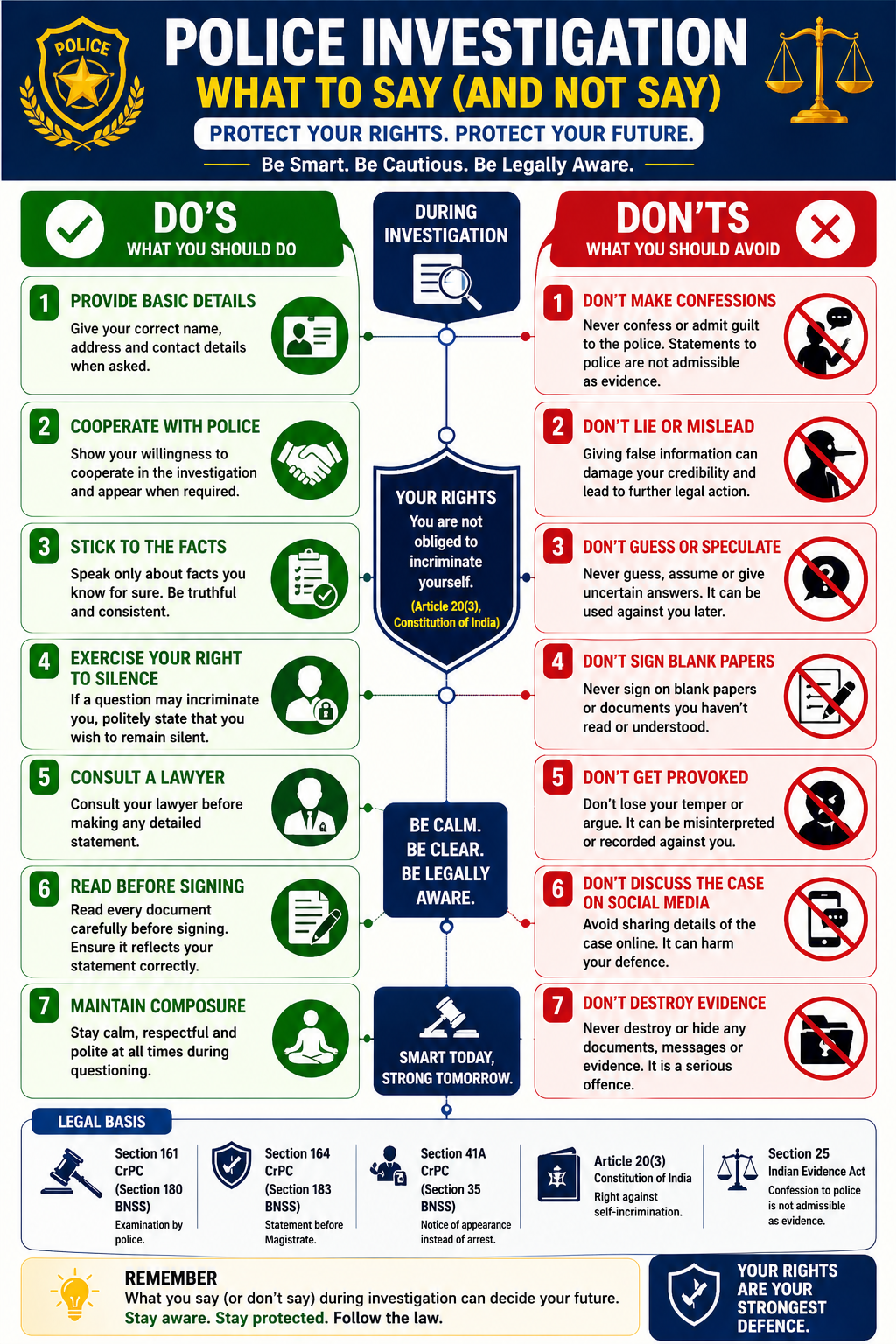
Receiving a notice under Section 41A of the Code of Criminal Procedure, 1973 means the police require your appearance during investigation. It does not automatically mean arrest.

The provision was strengthened by the Supreme Court in Arnesh Kumar v. State of Bihar. The Court held that arrest is not mandatory in offences punishable up to seven years and that compliance with Section 41A safeguards personal liberty.

This guide explains:

  • When 41A notice is issued

  • Why replying properly is important

  • A structured reply format

  • Common mistakes to avoid

I. What Is Section 41A CrPC?

Code of Criminal Procedure, 1973

Section 41A empowers police to issue a Notice of Appearance instead of arrest.

It applies where:

  • Arrest is not immediately necessary

  • Offence is punishable up to 7 years

  • Investigation requires cooperation

If the accused complies, arrest should ordinarily not follow unless justified.

II. Why You Should Reply in Writing

Although appearance is mandatory, a written reply helps to:

  • Record willingness to cooperate
  • Avoid allegations of non-compliance
  • Demonstrate clean conduct
  • Strengthen anticipatory bail defence
  • Prevent coercive action

A structured reply builds documentary protection.

III. Important Points Before Drafting

  1. Do not admit allegations.

  2. Do not argue the case in detail.

  3. Confirm willingness to cooperate.

  4. Mention availability dates.

  5. Keep language professional and neutral.

The purpose is compliance — not defence evidence.

IV. Sample Format – Reply to Section 41A Notice


Sample Format – Reply to Section 41A CrPC Notice

BEFORE THE STATION HOUSE OFFICER

[Name of Police Station]
[District/City]


Subject: Reply to Notice under Section 41A CrPC

Respected Sir/Madam,

I acknowledge receipt of notice dated [insert date] issued under Section 41A of the Code of Criminal Procedure, 1973, in connection with FIR No. [____].

I respectfully submit that I am a law-abiding citizen and have deep respect for the legal process.

I assure my full cooperation in the investigation and undertake to appear before the Investigating Officer on [date] at [time] or on any other date convenient to the investigating authority.

I further undertake not to tamper with evidence or influence any witness.

I request that no coercive steps be taken against me as I am fully cooperating with the investigation.

Kindly acknowledge receipt of this reply.


Yours faithfully,

[Name]
[Address]
[Contact Details]
[Signature]

V. Strategic Additions (Optional)

Depending on facts, you may include:

  • Medical condition details

  • Senior citizen status

  • Residence in another State

  • Request for video appearance (if justified)

Avoid unnecessary factual rebuttal at this stage.

VI. What Happens After You Reply?

If you:

  • Appear as required
  • Cooperate during questioning
  • Provide documents when requested

Arrest should not ordinarily follow unless new circumstances arise.

Failure to comply may justify arrest under Section 41 CrPC.

VII. Common Mistakes to Avoid

  • Ignoring the notice
  • Sending emotional or aggressive replies
  • Admitting facts inadvertently
  • Sending incomplete contact details
  • Skipping appearance after written reply

Non-compliance weakens defence in bail proceedings.

Conclusion

A Section 41A notice is a procedural safeguard, not a presumption of guilt. Responding properly protects liberty and demonstrates bona fide conduct.

Strategic compliance strengthens future remedies including anticipatory bail and quashing.


Index of All Legal templates and Drafting is here. 


Disclaimer

These templates are provided for educational and informational purposes. Every case depends on specific facts and procedural posture. Professional legal advice should be obtained before filing any application.


Key Contributor :

Mrs.Suprajaa Rajan B.Com., LL.B., LL.M.

+91-9606345150


Post Views: 4,653
Posted in Legal Procedure | Tagged 498A arrest procedure Arnesh Kumar Vs State Of Bihar and Anr pre-arrest strategy Section 41A Notice | Leave a comment

Legal Templates and Drafting

Posted on March 4 by Suprajaa Rajan

Structured legal formats and drafting guidance for criminal and matrimonial litigation.

Legal drafting is not merely clerical work. It is strategic advocacy in written form. A well-drafted application can protect liberty, prevent arrest, secure interim relief, or even terminate proceedings.

This section provides educational templates, structured formats, and drafting guidance for proceedings under:

  • Section 498A IPC

  • Section 406 IPC

  • Section 438 CrPC

  • Section 482 CrPC

  • Section 125 CrPC

  • Domestic Violence Act, 2005

Each format includes:

  • Legal foundation
  • When to use it
  • Important drafting principles
  • Common mistakes to avoid
  • Sample structure

I. FIR & Investigation Stage Templates

  1. Reply to Section 41A CrPC Notice – Sample Format here.

  2. Application for Certified Copy of FIR here.

  3. Representation to SHO Against Illegal Arrest here.

  4. Complaint Against Harassment During Investigation here. 

  5. Application for Exemption from Personal Appearance During Investigation here.

  6. Representation for Deletion of Name from FIR here.

  7. Application to Police for Fair Investigation here.

  8. Application for Addition of Relevant Documents to Case Record here.

II. Bail-Related Templates

  1. Draft Format of Anticipatory Bail Application (Section 438 CrPC) here. 
  2. Regular Bail Application Format (Section 437/439 CrPC) here.

  3. Interim Bail Application Format here.

  4. Transit Anticipatory Bail Petition Format here.

  5. Application for Modification of Bail Conditions here.

  6. Reply to Bail Cancellation Application here.

  7. Surety Affidavit Format here.

  8. Bail Compliance Undertaking Format here.

  9. Affidavit of Cooperation with Investigation here.

III. Chargesheet & Trial Stage Templates

  1. Discharge Application Format in 498A Case here.
  2. Application for Exemption Under Section 205 CrPC here.

  3. Application for Permanent Exemption from Appearance here.

  4. Application for Day-to-Day Trial here.

  5. Application for Closure of Prosecution Evidence here.

  6. Application for Recall of Witness here.

  7. Cross-Examination Preparation Checklist (Template Form) here.

  8. Application for Supply of Documents Under Section 207 CrPC here.

  9. Application for Adjournment (Properly Drafted Format) here.

IV. Quashing & High Court Templates

  1. Basic Skeleton of Section 482 CrPC Petition here.
  2. Affidavit Format for Quashing Petition here. 

  3. Application for Interim Stay of Proceedings here.

  4. Compromise Affidavit Format for Quashing here.

  5. Joint Memo of Settlement Format here.

  6. Application for Early Hearing in High Court here.

  7. Memo for Partial Quashing Against Specific Accused here.

  8. Application for Urgent Listing here.

V. Domestic Violence Act Templates

  1. Reply to Domestic Violence Complaint Format here.
  2. Application for Modification of Interim Maintenance here.
  3. Application for Dismissal of DV Complaint here.

  4. Affidavit of Income & Assets Format here.

  5. Application Challenging Residence Order here.

  6. Application for Cross-Examination of Complainant here.

  7. Application to Set Aside Ex Parte Order here.

VI. Maintenance Defence Templates

  1. Income Disclosure Affidavit Format here.
  2. Application for Reduction of Maintenance here.

  3. Application for Modification Due to Change in Circumstances here.

  4. Application Seeking Production of Complainant’s Income Documents here.

  5. Application Challenging Interim Maintenance Order here.

  6. Execution Objection Format in Maintenance Proceedings here.

  7. Compromise Format in Maintenance Settlement here.

  8. Application for Stay of Maintenance Order here.

VII. Post-Acquittal & Strategic Templates

  1. Legal Notice for Defamation (Post False 498A) here.
  2. Complaint for Malicious Prosecution here.

  3. Application for Return of Seized Articles here.

  4. Application for Cancellation of Look Out Circular here.

  5. Application for Removal of Passport Restrictions here.

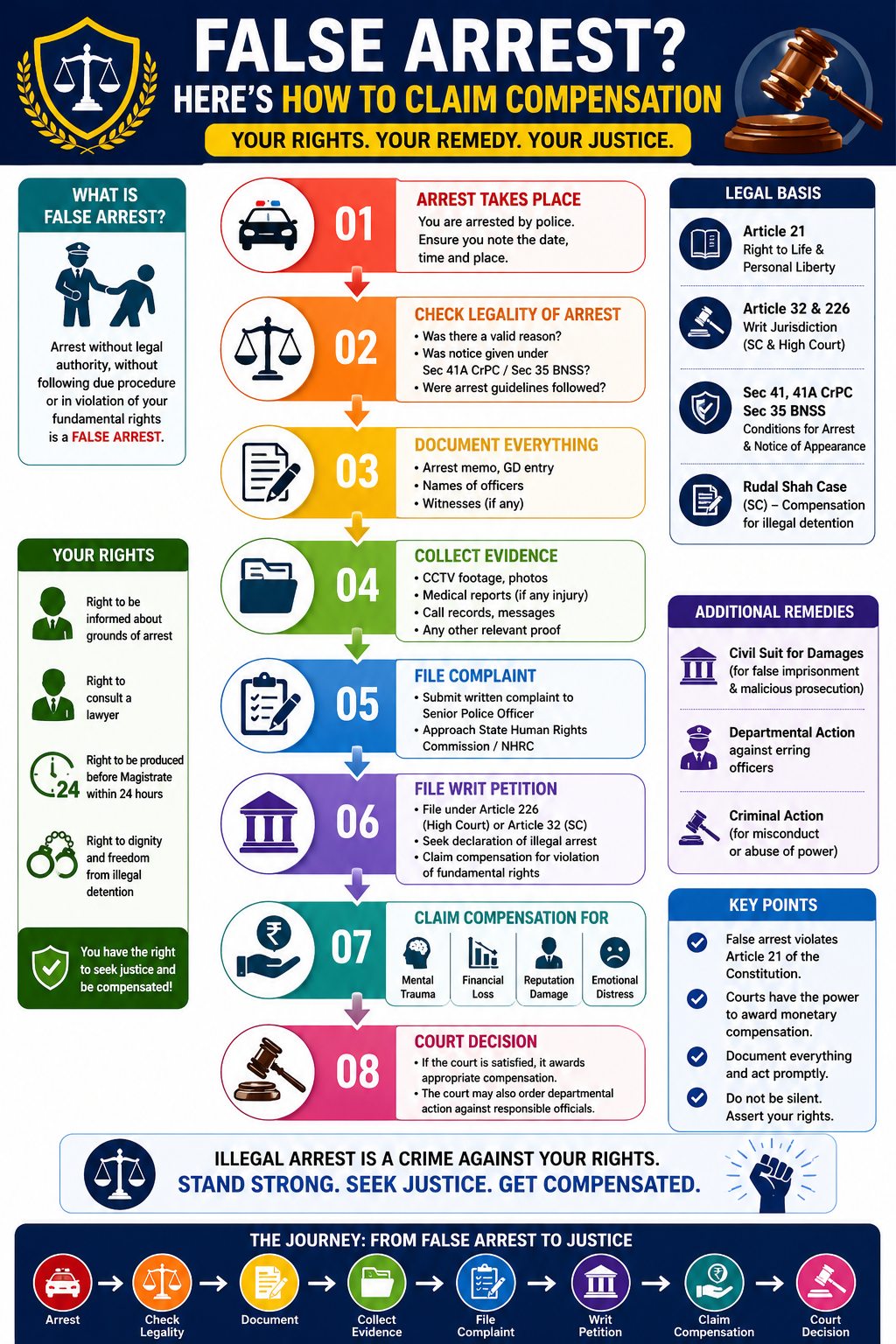
  6. Petition Seeking Compensation for Illegal Arrest here. 

  7. Police Complaint Against False Evidence here.

  8. Representation for Departmental Proceedings here.

  9. Application for Certified Copy of Judgment here. 

VIII. Procedural & Administrative Templates

  1. Vakalatnama Format here.
  2. Memo of Appearance Format here.

  3. Memo to Court Seeking Compliance of Affidavit of Assets & Liabilities here.

  4. Affidavit Verification Format here.

  5. Indexing & Filing Checklist Format here.

  6. Chronology of Events Format here. 

  7. List of Dates Format here.  

  8. Application for Condonation of Delay here.

  9. Application for Transfer of Case here.

  10. Application for Consolidation of Proceedings here.

Drafting Principles – Before You Use Any Template

  1. Facts govern drafting, not format.

  2. Avoid unnecessary emotional language.

  3. Maintain consistency across proceedings.

  4. Verify statutory citations.

  5. Support pleadings with documentary annexures.

A template is a structure. It must be tailored to the case.

Disclaimer

These templates are provided for educational and informational purposes. Every case depends on specific facts and procedural posture. Professional legal advice should be obtained before filing any application.

Post Views: 321
Posted in Books | Tagged Drafting Legal templates Matrimonial dispute Matrimonial law matrimonial offences | Leave a comment

Post navigation

  • Older posts
  • Newer posts

Search within entire Content of “Shades of Knife”

My Legal X Timeline

Advocate Sandeep Pamarati 🇮🇳💪👨🏻‍🎓 Follow

AP High Court Advocate with M Tech (CS) || 12 years in 'Software Industry' as Solution Architect || Blogs at https://t.co/29CB9BzK4w || #TDPTwitter

SandeepPamarati
Retweet on Twitter Advocate Sandeep Pamarati 🇮🇳💪👨🏻‍🎓 Retweeted
besurataansane Sameer @besurataansane ·
15 Jun

Mamata wanted to dislodge him as PM

Uddhav backstabbed him

Kejriwal lived under a delusion that he was Modiji’s competitor

All 3 lost their CM chair - they are not even MLAs/MLC today 😂😂

PM @narendramodi ji is “Destiny’s Child” - he is protected by Mahakal

Reply on Twitter 2066553667705282749 Retweet on Twitter 2066553667705282749 244 Like on Twitter 2066553667705282749 638 X 2066553667705282749
Retweet on Twitter Advocate Sandeep Pamarati 🇮🇳💪👨🏻‍🎓 Retweeted
factcheckapgov FactCheck.AP.Gov.in @factcheckapgov ·
15 Jun

డిఎస్సీ 2025 స్పోర్ట్స్ కోటా నియామకాలపై ప్రజల్లో అపోహలు కలిగించేందుకు ఒక యూట్యూబ్ ఛానెల్ ప్రసారం చేసిన ఇంటర్వ్యూను ప్రభుత్వం తీవ్రంగా ఖండిస్తున్నది. కమ్మకులానికి చెందిన వారు టెట్ రాయకపోయినా స్పోర్ట్స్ కోటాలో డిఎస్సీ పోస్టులు ఇచ్చారనే తప్పుడు ప్రచారం కులాల మధ్య చిచ్చుపెట్టేదిగా

Reply on Twitter 2066550398111056194 Retweet on Twitter 2066550398111056194 69 Like on Twitter 2066550398111056194 161 X 2066550398111056194
Retweet on Twitter Advocate Sandeep Pamarati 🇮🇳💪👨🏻‍🎓 Retweeted
augadhbhudeva Augadh @augadhbhudeva ·
10h

Iron Man Of India Sardar Vallabhbhai Patel

The World Said
“India Can Never Be One Nation.”

He Said — “Watch Me”.

Sardar Vallabhbhai Patel
Iron Man of India
Born 1875 Nadiad Gujarat

Poor Farmers Family. No Money For Law School.
He Borrowed Books. Gave Exams.
Saved His Own

Reply on Twitter 2066895391145234733 Retweet on Twitter 2066895391145234733 23 Like on Twitter 2066895391145234733 31 X 2066895391145234733
Retweet on Twitter Advocate Sandeep Pamarati 🇮🇳💪👨🏻‍🎓 Retweeted
muchatlu_ ముచ్చట్లు @muchatlu_ ·
22h

📢 స్టాన్‌ఫర్డ్ విద్యార్థులకు సుందర్ పిచాయ్ కీలక సందేశం

🔸 స్టాన్‌ఫర్డ్ యూనివర్సిటీ 2026 స్నాతకోత్సవ వేడుకలో మాట్లాడిన సుందర్ పిచాయ్, టెక్నాలజీ కంటే జీవిత నిర్ణయాలు, ఆలోచనా విధానంపైనే ప్రధానంగా దృష్టి పెట్టారు.

🔸 మొదటి సూత్రంగా ఆశావాదాన్ని ఎంచుకోవాలని సూచించారు. పరిస్థితులు మన

Reply on Twitter 2066722676639735960 Retweet on Twitter 2066722676639735960 32 Like on Twitter 2066722676639735960 115 X 2066722676639735960
Load More

Recent Posts

  • Cruelty as a Criminal Offence Explained June 12, 2026
  • Bail Compliance Undertaking Format – Draft, Legal Requirements & Sample Template June 12, 2026
  • Warning Signs of Escalating Matrimonial Litigation – Early Red Flags Every Spouse Should Recognize June 12, 2026
  • Objections a Defence Advocate Can Raise When the Prosecution Produces Documentary Evidence – Complete Trial Strategy Guide June 5, 2026
  • How to File a Complaint Against an Advocate in India – A First-Timer’s Complete Guide June 5, 2026

Most Read Posts

  • Reply to Section 41A CrPC Notice – Format with Legal Explanation (4,916 views)
  • Anu Aggarwal Vs Sushant Aggarwal on 20 Jan 2026 (3,437 views)
  • Umme Farva Vs State of U.P. and Anr on 14 Jan 2026 (3,303 views)
  • Charge Sheet and Final Report Explained (2,744 views)
  • Regular Bail Application Format (Section 437/439 CrPC) (2,131 views)
  • Neha Lal Vs Abhishek Kumar on 20 Jan 2026 (1,958 views)
  • Arrest Procedure in 498A cases after Arnesh Kumar (1,888 views)
  • Discharge Application Format in 498A Case – Draft, Procedure & Sample Template (1,723 views)
  • Can You Travel Abroad After an FIR Is Registered? – Legal Position Explained (1,638 views)
  • Atul Kumar Bajpai Vs State of UP and Anr on 17 Sep 2025 (1,506 views)

Tags

Reportable Judgement or Order (433)2-Judge (Division) Bench Decision (411)Legal Procedure Explained - Interpretation of Statutes (381)Landmark Case (381)1-Judge Bench Decision (362)Catena of Landmark Judgments Referred/Cited to (293)Work-In-Progress Article (215)3-Judge (Full) Bench Decision (101)Sandeep Pamarati (92)Article 21 - Protection of life and personal liberty (80)Issued or Recommended Guidelines or Directions or Protocols to be followed (71)Perjury Under 340 CrPC (66)Absurd Or After Thought Or Baseless Or False Or General Or Inherently Improbable Or Improved Or UnSpecific Or Omnibus Or Vague Allegations (61)Reprimands or Setbacks to YCP Govt of Andhra Pradesh (49)Summary Post (47)CrPC 482 - Quash (43)HM Act 13 - Divorce Granted to Husband (42)Legal Terrorism (41)Not Authentic copy hence to be replaced (40)Divorce granted on Cruelty ground (40)

Categories

Supreme Court of India Judgment or Order or Notification (752)Bare Acts or State Amendments or Statutes or GOs or Notifications issued by Central or State Governments (328)High Court of Andhra Pradesh Judgment or Order or Notification (186)High Court of Delhi Judgment or Order or Notification (164)High Court of Bombay Judgment or Order or Notification (112)High Court of Karnataka Judgment or Order or Notification (93)Legal Procedure (77)High Court of Madras Judgment or Order or Notification (70)High Court of Allahabad Judgment or Order or Notification (61)LLB Study Material (59)General Study Material (56)High Court of Punjab & Haryana Judgment or Order or Notification (52)Assorted Court Judgments or Orders or Notifications (50)High Court of Kerala Judgment or Order or Notification (46)Prakasam DV Cases (46)Judicial Activism (for Public Benefit) (45)District or Sessions or Magistrate Court Judgment or Order or Notification (44)High Court of Madhya Pradesh Judgment or Order or Notification (38)High Court of Gujarat Judgment or Order or Notification (28)High Court of Calcutta Judgment or Order or Notification (27)

Recent Comments

  • The Divorce Law Firm on Life Cycle Stages of a Divorce case
  • The Divorce Law Firm on Life Cycle Stages of a Divorce case
  • ShadesOfKnife on Sandeep Pamarati Vs Ungrateful Knife (IPC 498A Case)
  • KONURU VINAYKUMAR on Sandeep Pamarati Vs Ungrateful Knife (IPC 498A Case)
  • ShadesOfKnife on Lifecycle Stages of a Section 498A IPC Case

Archives of SoK

  • June 2026 (7)
  • May 2026 (24)
  • April 2026 (33)
  • March 2026 (42)
  • February 2026 (30)
  • January 2026 (21)
  • December 2025 (2)
  • November 2025 (3)
  • October 2025 (17)
  • September 2025 (12)
  • August 2025 (5)
  • July 2025 (10)
  • June 2025 (15)
  • May 2025 (3)
  • April 2025 (10)
  • March 2025 (7)
  • February 2025 (8)
  • January 2025 (1)
  • December 2024 (3)
  • November 2024 (4)
  • October 2024 (16)
  • September 2024 (15)
  • August 2024 (14)
  • July 2024 (11)
  • June 2024 (18)
  • May 2024 (13)
  • April 2024 (9)
  • March 2024 (23)
  • February 2024 (15)
  • January 2024 (11)
  • December 2023 (11)
  • November 2023 (9)
  • October 2023 (13)
  • September 2023 (12)
  • August 2023 (15)
  • July 2023 (17)
  • June 2023 (11)
  • May 2023 (6)
  • April 2023 (5)
  • March 2023 (10)
  • February 2023 (9)
  • January 2023 (12)
  • December 2022 (12)
  • November 2022 (8)
  • October 2022 (13)
  • September 2022 (17)
  • August 2022 (10)
  • July 2022 (21)
  • June 2022 (27)
  • May 2022 (23)
  • April 2022 (32)
  • March 2022 (17)
  • February 2022 (6)
  • January 2022 (2)
  • December 2021 (7)
  • November 2021 (7)
  • October 2021 (6)
  • September 2021 (10)
  • August 2021 (31)
  • July 2021 (45)
  • June 2021 (17)
  • May 2021 (17)
  • April 2021 (18)
  • March 2021 (58)
  • February 2021 (14)
  • January 2021 (50)
  • December 2020 (35)
  • November 2020 (68)
  • October 2020 (67)
  • September 2020 (28)
  • August 2020 (41)
  • July 2020 (20)
  • June 2020 (36)
  • May 2020 (40)
  • April 2020 (38)
  • March 2020 (26)
  • February 2020 (43)
  • January 2020 (35)
  • December 2019 (34)
  • November 2019 (4)
  • October 2019 (18)
  • September 2019 (57)
  • August 2019 (33)
  • July 2019 (12)
  • June 2019 (18)
  • May 2019 (5)
  • April 2019 (19)
  • March 2019 (58)
  • February 2019 (11)
  • January 2019 (90)
  • December 2018 (97)
  • November 2018 (43)
  • October 2018 (31)
  • September 2018 (73)
  • August 2018 (47)
  • July 2018 (143)
  • June 2018 (92)
  • May 2018 (97)
  • April 2018 (59)
  • March 2018 (8)

Blogroll

  • Daaman Promoting Harmony 0
  • Fight against Legal Terrorism Fight against Legal Terrorism along with MyNation Foundation 0
  • Good Morning Good Morning News 0
  • Insaaf India Insaaf Awareness Movement 0
  • MyNation Hope Foundation Wiki 0
  • MyNation.net Equality, Justice and Harmony 0
  • Sarvepalli Legal 0
  • Save Indian Family Save Indian Family Movement 0
  • SIF Chandigarh SIF Chandigarh 0
  • The Male Factor The Male Factor 0
  • Unitedmen Foundation a dedicated community forged with the mission to unite men facing legal challenges in marital disputes. 0
  • Vaastav Foundation The Social Reality 0
  • Vinayak my2centsworth – This blog is for honest law abiding men, married or planning to get married 0
  • Voice4india Indian Laws, Non-profits, Environment 0
  • Writing Law Writing Law by Ankur 0

RSS Cloudflare Status

  • Scheduled Workers Platform Configuration Maintenance June 22, 2026
    THIS IS A SCHEDULED EVENT Jun 22, 12:00 - 13:00 UTC Jun 10, 20:16 UTC Scheduled - On 2026-06-22 from 12:00-13:00 UTC, Cloudflare will be performing scheduled maintenance on the data store responsible for Workers platform configuration. During this maintenance window, customers will be unable to make configuration changes for up to 3 minutes. This […]
  • TXL (Berlin) on 2026-06-19 June 19, 2026
    THIS IS A SCHEDULED EVENT Jun 19, 00:00 - 05:00 UTC Jun 16, 15:41 UTC Scheduled - We will be performing scheduled maintenance in TXL (Berlin) datacenter on 2026-06-19 between 00:00 and 05:00 UTC.Traffic might be re-routed from this location, hence there is a possibility of a slight increase in latency during this maintenance window […]
  • Zero Trust Underlying Storage Maintenance June 18, 2026
    THIS IS A SCHEDULED EVENT Jun 18, 12:00 - 13:00 UTC Jun 12, 00:38 UTC Scheduled - Cloudflare has scheduled maintenance for the backend storage system supporting Cloudflare One Client (WARP) / Zero Trust device management. Services will continue to operate normally. During a brief window of up to 3 minutes, device-related settings will be […]

RSS List of Spam Server IPs from Project Honeypot

  • 172.234.163.154 | SD June 16, 2026
    Event: Bad Event | Total: 6,096 | First: 2025-11-07 | Last: 2026-06-16
  • 181.95.65.163 | S June 16, 2026
    Event: Bad Event | Total: 323 | First: 2026-06-09 | Last: 2026-06-16
  • 121.78.246.104 | SD June 16, 2026
    Event: Bad Event | Total: 487 | First: 2026-06-11 | Last: 2026-06-16
Owned and Operated by Advocate Sandeep Pamarati
Proudly powered by WordPress
Theme: Flint by Star Verte LLC

Bad Behavior has blocked 726 access attempts in the last 7 days.

pixel