web analytics

Menu

Skip to content
Shades of Knife
  • Home
  • True Colors of a Vile Wife
  • Need Inspiration?
  • Blog Updates
  • SOK Gallery
  • Vile News Reporter
  • About Me
  • Contact Me

Shades of Knife

True Colors of a Vile Wife

Author: Suprajaa Rajan

Application for Certified Copy of FIR – Format, Procedure and Sample Draft

Posted on March 7 by Suprajaa Rajan

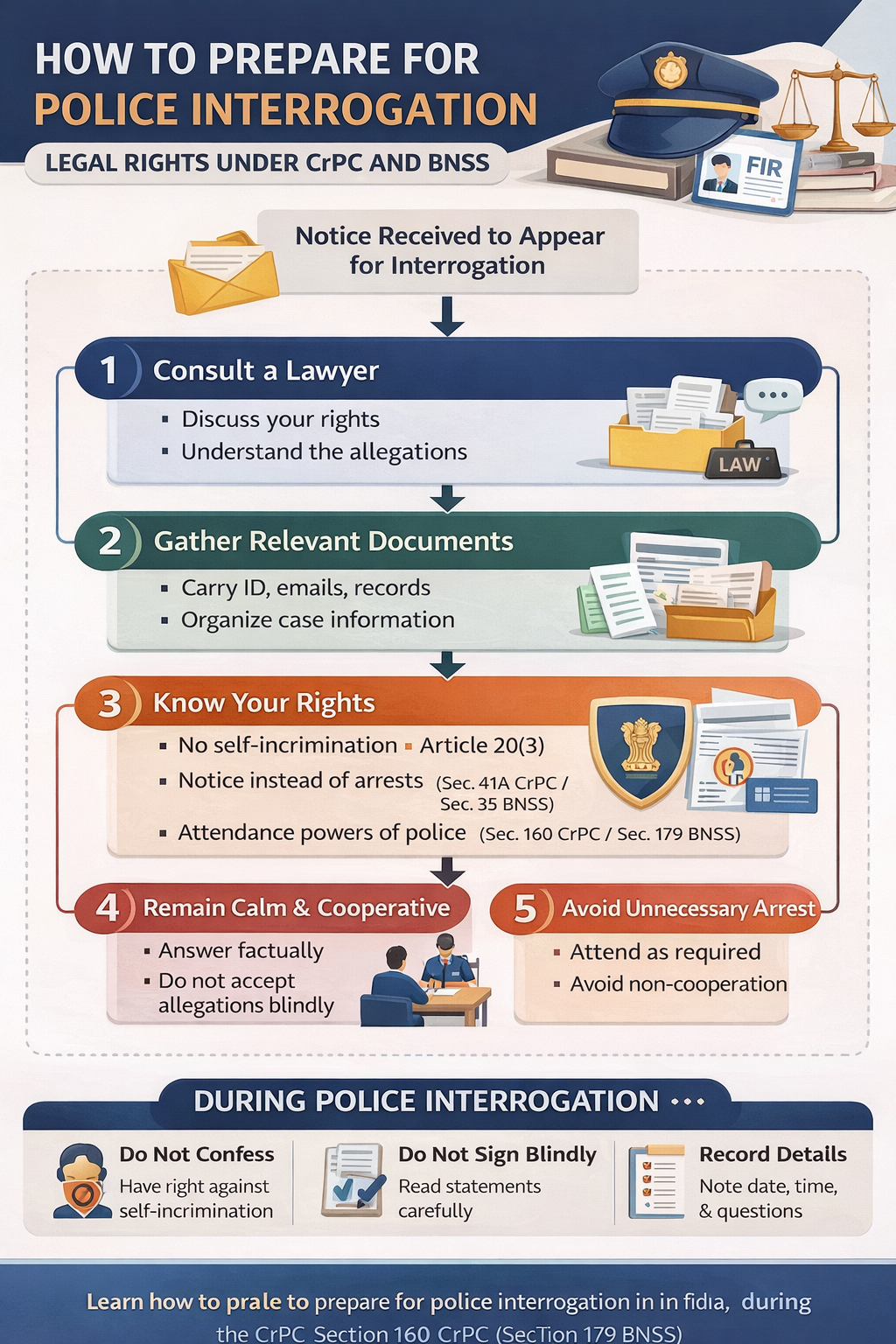
Obtaining a certified copy of an FIR (First Information Report) is often the first crucial step in any criminal case. Whether you are an accused person, a complainant, or a legal practitioner, having access to the FIR helps you understand the allegations, prepare a defence strategy, and take appropriate legal action.

Therefore, it is important to know how to apply for a certified copy of an FIR and what format should be used. In this guide, we will explain the legal basis, procedure, and provide a ready-to-use draft format for an application seeking a certified copy of an FIR.

What is a Certified Copy of an FIR?

An FIR (First Information Report) is a document registered by the police under Section 154 of the Code of Criminal Procedure, 1973 (CrPC) when information about a cognizable offence is received.

A certified copy of the FIR is an officially authenticated copy issued either by:

  • The concerned Police Station, or

  • The Jurisdictional Court

This certified copy carries official verification and can be used in legal proceedings, bail applications, or court filings.

Why is a Certified Copy of an FIR Important?

Before proceeding with any legal strategy, it is essential to obtain the FIR. This is because the FIR contains the exact allegations, sections of law invoked, and details of the incident.

Moreover, obtaining the FIR allows a person to:

  • Understand the nature of the allegations

  • Prepare anticipatory bail or regular bail applications

  • Verify whether false allegations have been made

  • Seek quashing of FIR before the High Court

  • Prepare an effective defense in criminal litigation

Therefore, applying for a certified copy of the FIR is often one of the first procedural steps in criminal cases.

Who Can Apply for a Certified Copy of an FIR?

Generally, the following persons can apply for a certified copy:

  • The accused person

  • The complainant or informant

  • Advocates representing the parties

  • Any person with a legitimate legal interest

Furthermore, courts have recognised that access to the FIR is essential for ensuring transparency and fairness in criminal investigations.

Where Should the Application Be Filed?

Depending on the circumstances, the application may be filed before:

  1. The Station House Officer (SHO) of the concerned police station, or

  2. The Jurisdictional Magistrate Court

However, if the police refuse to provide the copy, the applicant may approach the court to obtain a certified copy through the court registry.

Essential Details to Include in the Application

Before drafting the application, it is important to incorporate certain essential elements. These include:

  • Name and address of the applicant

  • Details of the police station

  • FIR number and date

  • Sections of law mentioned in the FIR

  • Reason for requesting the certified copy

  • Signature and contact details of the applicant

Including these details ensures that the application is processed efficiently by the authorities.

Sample Draft Format – Application for Certified Copy of FIR

Below is a simple and widely used format for requesting a certified copy of an FIR.

Sample Draft – Application for Certified Copy of FIR

To
The Station House Officer
[Name of Police Station]
[City/District]

Subject: Application for Certified Copy of FIR

Respected Sir/Madam,

I respectfully submit that an FIR bearing No. [____] dated [____] has been registered at your police station under Sections [____] of the Indian Penal Code / other applicable laws.

I am a concerned party in the above matter and require a certified copy of the said FIR for legal purposes.

Therefore, I kindly request you to provide a certified copy of the FIR at the earliest convenience.

I shall be grateful for your kind assistance in this regard.


Thanking you.


Yours faithfully,


[Name of Applicant]
[Address]
[Contact Number]
[Signature]

Date: [____]
Place: [____]

✔ Draft Copied Successfully!

Drafting Tip

Always verify the FIR number, police station name, and date of registration before submitting the application. Even a minor error may delay the process of obtaining the certified copy.


Index of Legal templates and drafting is here.


Disclaimer

This draft format is provided for educational and informational purposes only. Legal applications should always be tailored according to the specific facts of each case and applicable legal requirements.


Key Contributor : 

Mrs. Suprajaa Rajan B.Com., LL.B., LL.M.

+91-9606345150

Posted in Legal Procedure | Tagged application format certified copy of FIR criminal law drafts FIR application form legal drafting police complaint documents | Leave a comment

Draft Format of Anticipatory Bail Application (Section 438 CrPC)

Posted on March 6 by Suprajaa Rajan

A practical drafting guide and sample format for filing an anticipatory bail application under Indian criminal procedure.

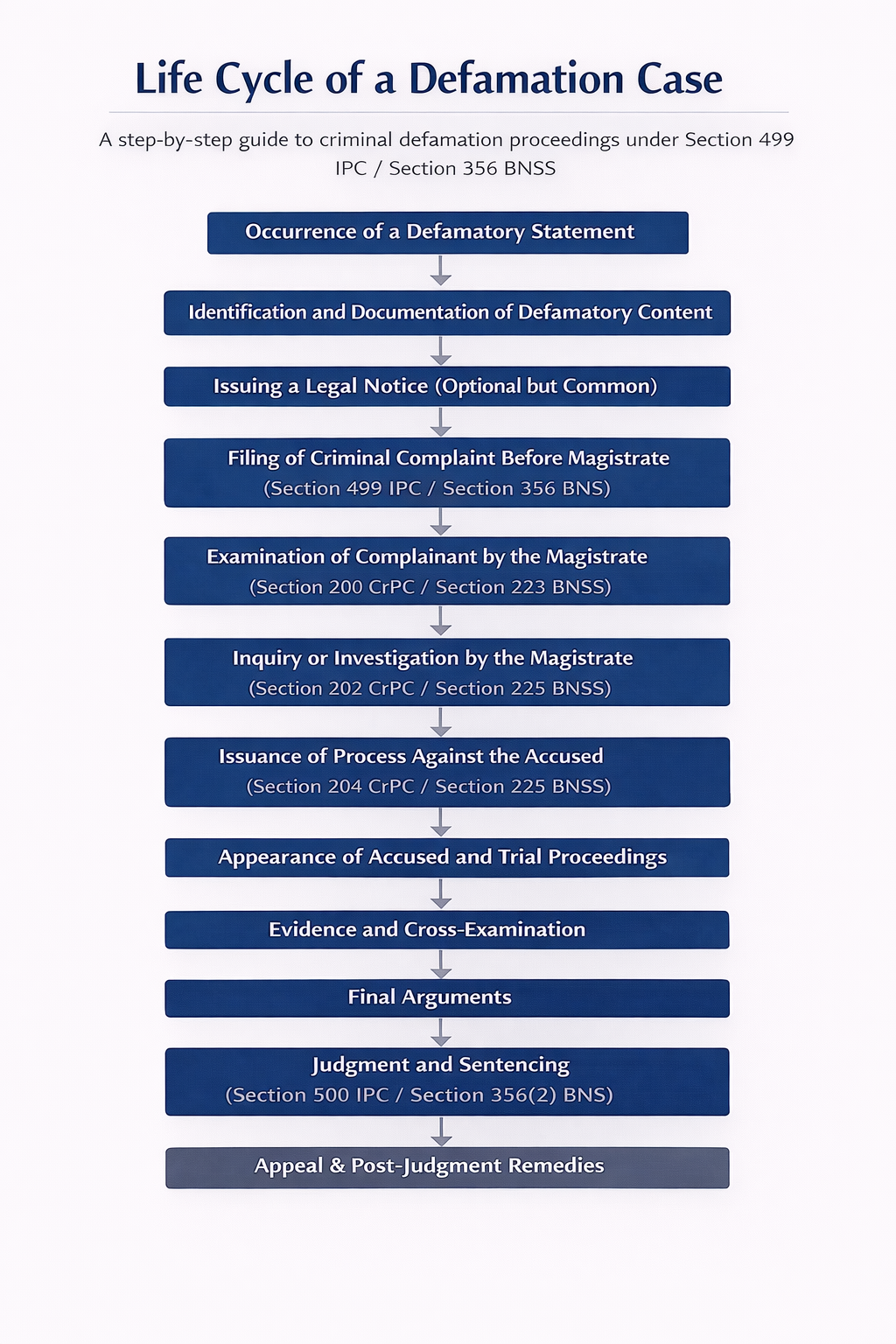
Anticipatory bail is one of the most important safeguards available under Indian criminal law. Specifically, Section 438 of the Code of Criminal Procedure, 1973 allows a person who apprehends arrest to seek pre-arrest bail from the Sessions Court or High Court.

In matrimonial criminal cases, anticipatory bail is frequently sought in allegations under Section 498A IPC, Section 406 IPC, and related offences. Therefore, drafting an anticipatory bail application requires clarity, precision, and a well-structured presentation of facts.

This guide explains when anticipatory bail can be filed, the legal principles governing it, and a structured draft format that can be adapted based on facts of each case.

I. Legal Basis of Anticipatory Bail

The concept of anticipatory bail was introduced to protect personal liberty against arbitrary arrest.

The Supreme Court in Gurbaksh Singh Sibbia v. State of Punjab held that anticipatory bail is a device to secure individual liberty and prevent misuse of the criminal process.

Subsequently, the Court in Siddharam Satlingappa Mhetre v. State of Maharashtra emphasised that arrest should not be used as a routine measure where investigation can proceed without custody.

Therefore, anticipatory bail operates as a preventive remedy against unnecessary detention.

II. When Anticipatory Bail Can Be Filed

You can file an application under Section 438 CrPC when:

  • The applicant reasonably apprehends arrest

  • An FIR has been registered or is likely to be registered

  • Allegations involve offences where arrest is possible

  • The applicant is willing to cooperate with investigation

In matrimonial criminal litigation, anticipatory bail is commonly sought immediately after registration of FIR or receipt of notice under Section 41A CrPC.

Read also : Anticipatory Bail in Matrimonial Offences – Complete Guide.

III. Key Elements of a Strong Anticipatory Bail Application

Before drafting, you should incorporate certain essential elements.

1. Clear narration of facts

The application should briefly describe the background of the dispute and circumstances leading to registration of the FIR.

2. Explanation of false implication

Where allegations are exaggerated or motivated, the applicant should explain the circumstances demonstrating false implication or exaggeration.

3. Absence of criminal antecedents

Courts often consider whether the applicant has prior criminal history.

4. Willingness to cooperate

A clear undertaking to cooperate with investigation significantly strengthens the request for bail.

5. Assurance against tampering with evidence

The applicant should state that he or she will not influence witnesses or obstruct investigation.

These elements collectively demonstrate bona fide conduct and respect for the legal process.

IV. Sample Draft Format – Anticipatory Bail Application


Sample Draft – Anticipatory Bail Application (Section 438 CrPC)

BEFORE THE HONOURABLE SESSIONS COURT AT [CITY]

Criminal Miscellaneous Application under Section 438 CrPC

In the matter of:

[Applicant Name]
…Applicant

Versus

State of [State]
…Respondent


APPLICATION UNDER SECTION 438 OF THE CODE OF CRIMINAL PROCEDURE, 1973 SEEKING ANTICIPATORY BAIL

Most Respectfully Submitted:

1. That the Applicant is a law-abiding citizen and has deep roots in society.

2. That the present application is being filed under Section 438 of the Code of Criminal Procedure, 1973 as the Applicant apprehends arrest in connection with FIR No. [____] registered at [Police Station] for offences alleged under Sections [____].

3. That the allegations made in the FIR are false, exaggerated and motivated by matrimonial discord between the parties.

4. That the Applicant has not committed any offence as alleged and has been falsely implicated due to personal differences.

5. That the Applicant has no criminal antecedents and has always cooperated with lawful authorities.

6. That the Applicant is willing to cooperate with the investigation and undertakes to appear before the Investigating Officer whenever required.

7. That the Applicant undertakes not to tamper with evidence or influence any witnesses.

8. That custodial interrogation of the Applicant is not required for the purpose of investigation.

9. That arrest of the Applicant would cause irreparable harm to his reputation and personal liberty.

10. That the Applicant undertakes to abide by any conditions that may be imposed by this Hon’ble Court.

PRAYER

In view of the facts and circumstances stated above, it is most respectfully prayed that this Hon’ble Court may be pleased to:

a) Grant anticipatory bail to the Applicant in the event of arrest in connection with the aforesaid FIR; and

b) Pass any other order deemed fit and proper in the interest of justice.


Place: [City]
Date: [Date]


Counsel for the Applicant
[Signature]

✔ Draft Copied Successfully!

V. Documents Commonly Filed Along With the Application

Generally, the following documents accompany the application:

  • Copy of FIR (if available)

  • Identity proof of applicant

  • Supporting documents (where relevant)

  • Affidavit verifying the application

These documents assist the court in evaluating the bona fides of the applicant.

VI. Important Drafting Tips

While drafting anticipatory bail applications, the following principles are crucial.

  • First, allegations should be addressed briefly and strategically, rather than arguing the entire case.
  • Secondly, unnecessary emotional language should be avoided.
  • Furthermore, the application should maintain a respectful and professional tone, demonstrating willingness to cooperate with investigation.
  • Finally, facts should remain consistent with other pleadings filed in related matrimonial proceedings.

VII. Common Mistakes to Avoid

Certain mistakes can weaken an anticipatory bail application.

These include:

  • Excessively lengthy narration of facts

  • Admission of disputed allegations

  • Aggressive language against the complainant

  • Failure to mention cooperation with investigation

Therefore, maintaining clarity and restraint in drafting is essential.

Conclusion

Anticipatory bail serves as an essential safeguard protecting individuals from unnecessary arrest. Consequently, a well-drafted application can significantly influence the court’s decision.

By clearly presenting facts, demonstrating cooperation, and addressing the legal requirements of Section 438 CrPC, applicants can effectively seek protection of their liberty.

However, each case depends on its specific circumstances. Therefore, the draft format provided above should always be adapted to the facts and procedural posture of the case.


Index of Legal Templates and Drafting is here.


Disclaimer

These templates are provided for educational and informational purposes. Every case depends on specific facts and procedural posture. Professional legal advice should be obtained before filing any application.


Key Contributor :

Mrs. Suprajaa Rajan B.Com., LL.B., LL.M.

+91-9606345150

Posted in Legal Procedure | Tagged Anticipatory Bail format Bail Application High Court or Sessions Court Maintainable Criminal Procedure India CrPC 438 - Anticipatory Bail | Leave a comment

Matrimonial Criminal Litigation – The Complete Prosecution Strategy Guide

Posted on March 5 by Suprajaa Rajan

A structured guide explaining how matrimonial criminal cases are initiated, investigated, and prosecuted under Indian criminal law.

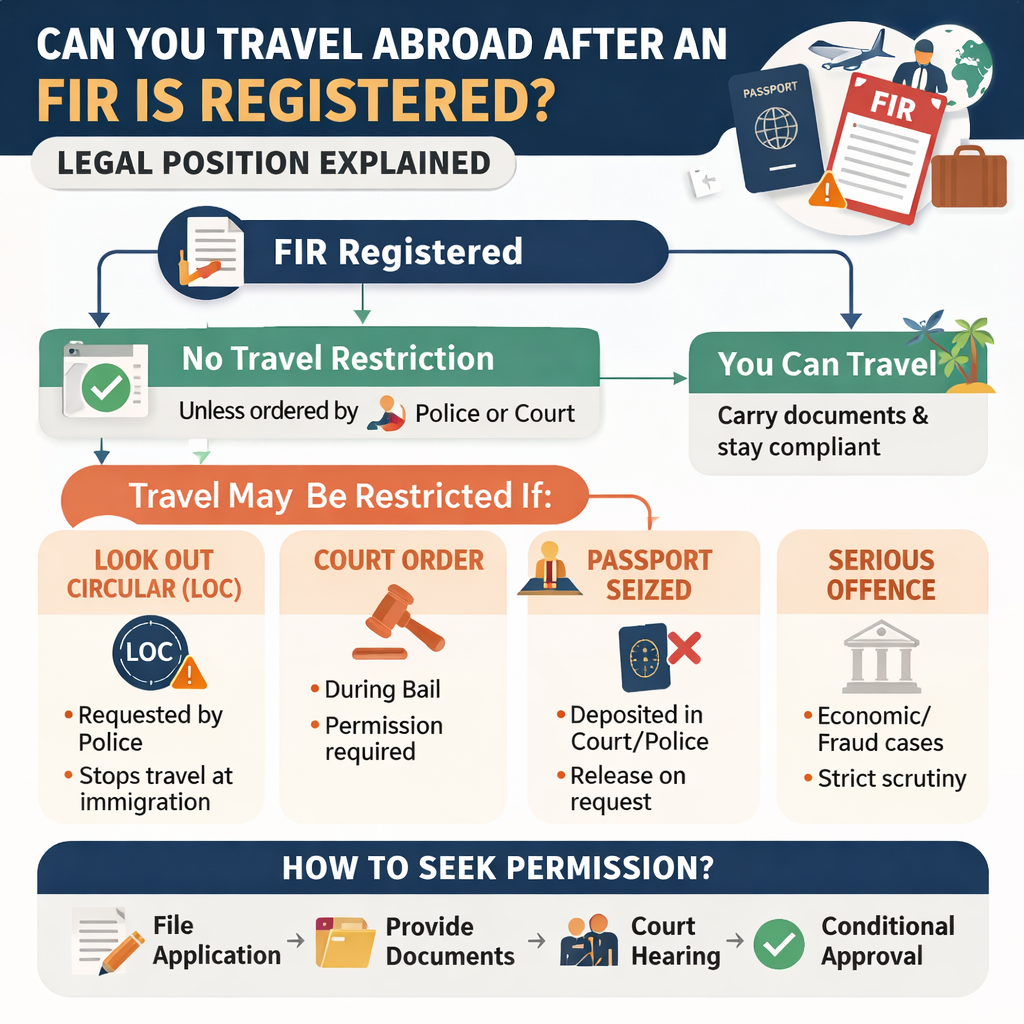
Matrimonial disputes often escalate into criminal litigation involving allegations of cruelty, dowry harassment, domestic violence, or financial neglect. Consequently, effective prosecution requires not only filing complaints but also building a coherent legal strategy supported by documentary and oral evidence.

This playbook outlines the procedural roadmap, legal remedies, and strategic considerations available to the prosecution side in matrimonial criminal litigation. Furthermore, it highlights how complainants can navigate investigations, bail proceedings, trial stages, and post-judgment remedies effectively.

I. Initiating Criminal Proceedings

At the outset, the prosecution must ensure that allegations are clearly articulated and supported by preliminary material. Therefore, initiating proceedings correctly becomes crucial.

1. Filing a Complaint or FIR

A criminal case may be initiated through:

  • Registration of an FIR under Section 498A IPC

  • Complaint for criminal breach of trust under Section 406 IPC

  • Filing a Domestic Violence complaint under the Protection of Women from Domestic Violence Act, 2005

  • Maintenance proceedings under Section 125 CrPC

These provisions collectively aim to address cruelty, financial neglect, and unlawful retention of dowry articles.

However, the complainant must ensure that the complaint contains:

  • Specific incidents of cruelty

  • Dates and locations of harassment

  • Details of dowry demands

  • Names and roles of accused persons

Without these particulars, the prosecution case may appear vague during investigation or trial.

II. Investigation Stage: Strengthening the Prosecution Case

Once an FIR is registered, the matter enters the investigation phase. At this stage, the complainant should actively assist the investigating authorities.

1. Providing Documentary Evidence

The prosecution should gather and submit:

  • Marriage photographs and invitations

  • Bank transfers or financial transactions

  • Medical records of injuries

  • WhatsApp chats, emails, or messages

  • Audio or video recordings (where available)

Consequently, documentary evidence often plays a decisive role in corroborating allegations.

2. Witness Statements

Additionally, statements of the following witnesses may support the prosecution case:

  • Parents and relatives

  • Neighbours

  • Friends aware of the dispute

  • Independent witnesses present during incidents

Strong witness testimony strengthens the prosecution narrative during trial.

III. Responding to Bail Proceedings

In many matrimonial criminal cases, the accused may seek anticipatory bail or regular bail. Accordingly, the prosecution must present strong objections.

1. Opposing Anticipatory Bail

While opposing bail under Section 438 CrPC, the complainant may argue:

  • Seriousness of allegations

  • Continuous harassment or cruelty

  • Risk of intimidation of witnesses

  • Possibility of evidence tampering

Furthermore, the prosecution may highlight the need for custodial interrogation if recovery of dowry articles is required.

2. Conditions on Bail

Even when bail is granted, the prosecution can request conditions such as:

  • No contact with the complainant

  • Regular cooperation with investigation

  • Restrictions on leaving jurisdiction

These conditions help protect the complainant during ongoing proceedings.

IV. Parallel Civil and Criminal Remedies

Matrimonial litigation often involves multiple simultaneous proceedings. Therefore, the prosecution side may pursue parallel remedies.

1. Domestic Violence Proceedings

Under the Protection of Women from Domestic Violence Act, 2005, the complainant may seek:

  • Protection orders

  • Residence orders

  • Monetary relief

  • Compensation for mental cruelty

These remedies provide immediate relief even before completion of criminal trials.

2. Maintenance Claims

Additionally, financial support can be sought through:

  • Section 125 CrPC

  • Interim maintenance in domestic violence proceedings

  • Maintenance under personal laws

Maintenance proceedings ensure financial security for the complainant and dependents.

V. Chargesheet and Trial Strategy

After investigation, the police may file a chargesheet before the Magistrate. At this stage, the prosecution strategy shifts toward trial preparation.

1. Ensuring Proper Framing of Charges

The prosecution must ensure that charges are framed appropriately under relevant provisions, including:

  • Section 498A IPC

  • Section 406 IPC

  • Other applicable offences based on evidence

Clear framing of charges defines the scope of the trial.

2. Examination of Witnesses

During trial, the prosecution must:

  • Present witnesses in logical sequence

  • Ensure consistency in statements

  • Address contradictions promptly

Effective witness examination significantly influences the outcome of the case.

3. Documentary Evidence

Moreover, documentary evidence must be properly marked and proved during trial.

Failure to prove documents may weaken the prosecution case even if the allegations are otherwise serious.

VI. Settlement and Mediation

Although matrimonial criminal cases are serious in nature, courts sometimes encourage mediation or settlement, particularly when reconciliation or mutual divorce is possible.

In such circumstances, the parties may enter into:

  • Compromise agreements

  • Mutual consent divorce settlements

  • Withdrawal or quashing of proceedings before the High Court

However, the complainant must ensure that financial settlements and legal protections are clearly documented before agreeing to any compromise.

VII. Post-Trial Remedies

After the trial concludes, the prosecution may still have legal remedies depending on the outcome.

1. Appeal Against Acquittal

If the accused is acquitted, the complainant may seek appeal against acquittal before the appropriate appellate court.

2. Enforcement of Compensation Orders

Courts may also grant compensation under criminal law provisions. Consequently, the complainant may initiate execution proceedings to enforce such orders.

3. Enforcement of Maintenance Orders

Maintenance orders can be enforced through:

  • Execution proceedings

  • Recovery warrants

  • Attachment of salary or property

These remedies ensure compliance with court directions.

VIII. Strategic Considerations for the Prosecution

To ensure a strong prosecution case, the complainant should follow certain strategic principles.

First, allegations must remain consistent across FIRs, complaints, and witness statements. Secondly, documentary evidence should be preserved from the earliest stage of the dispute.

Furthermore, complainants should avoid exaggeration or inclusion of unrelated family members without evidence, as courts increasingly scrutinize such allegations.

Ultimately, a well-structured prosecution case depends on credible evidence, procedural compliance, and effective presentation before the court.

Conclusion

Matrimonial criminal litigation requires careful navigation of criminal procedure, evidentiary rules, and parallel civil remedies. Therefore, the prosecution side must adopt a structured legal strategy from the very beginning.

By documenting incidents, cooperating with investigators, and presenting consistent evidence, complainants can significantly strengthen their case.

In conclusion, the prosecution playbook in matrimonial litigation is not merely about initiating proceedings. Rather, it involves systematic preparation, strategic litigation, and effective utilisation of statutory remedies available under Indian law.


Index of Legal Strategies and Defence is here.


Key Contributor :

Mrs. Suprajaa Rajan B.Com., LL.B., LL.M.

+91-9606345150

Posted in Legal Procedure | Tagged Criminal Trial Matrimonial Criminal Law Matrimonial Litigation India Prosecution strategy Protection of Women from Domestic Violence Act 2005 | Leave a comment

Matrimonial Criminal Litigation – The Complete Defence Guide

Posted on March 5 by Suprajaa Rajan

A structured legal roadmap to protect liberty, reputation, and financial security at every stage of criminal matrimonial proceedings.

Matrimonial criminal litigation in India often begins abruptly — with an FIR under Section 498A IPC, a complaint under the Domestic Violence Act, or a maintenance claim under Section 125 CrPC.

What follows is confusion, pressure, and procedural complexity.

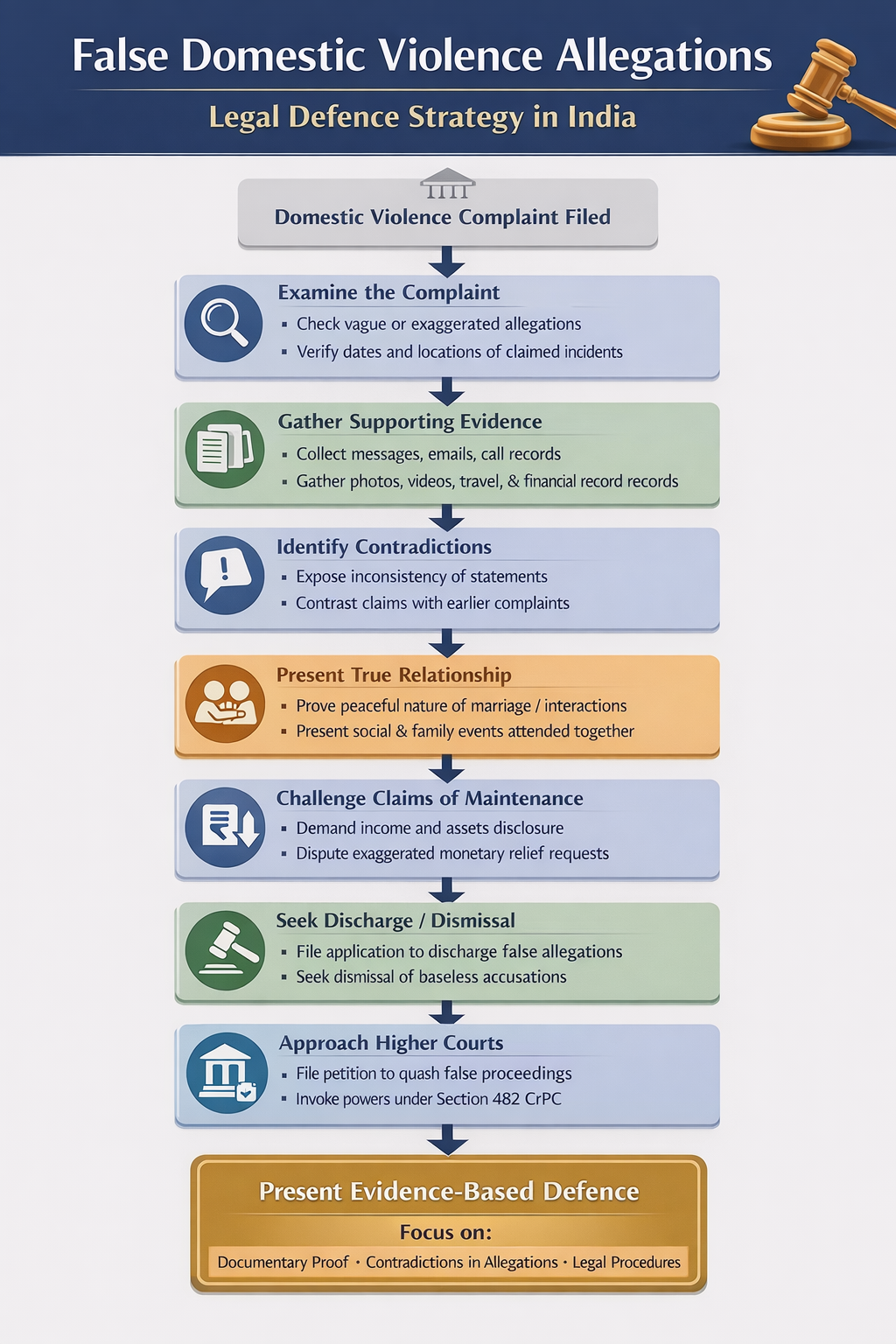
This playbook provides a stage-wise strategic framework for navigating criminal matrimonial disputes lawfully and effectively.

I. Stage One: Immediately After FIR Registration

Most accused individuals panic at this stage. Strategy must, undoubtedly, begin immediately.

Key Legal Provisions:

  • Section 498A IPC

  • Section 406 IPC

  • Section 34 IPC

  • Section 41 & 41A CrPC

Immediate Strategic Steps:

  • Verify FIR contents
  • Assess arrest risk
  • Prepare anticipatory bail strategy
  • Collect documentary evidence
  • Preserve digital communications

The Supreme Court in Arnesh Kumar v. State of Bihar, held that arrest cannot be automatic in offences punishable up to seven years.

Read also : Arrest Procedure in 498A Cases After Arnesh Kumar

II. Stage Two: Bail & Liberty Protection

Personal liberty under Article 21 of the Constitution remains paramount.

Strategic Remedies:

1. Anticipatory Bail – Section 438 CrPC

Filed when arrest apprehension exists.

2. Regular Bail – Section 437/439 CrPC

Filed after arrest.

3. Transit Anticipatory Bail

When FIR is lodged in another State.

Courts evaluate:

  • Specificity of allegations

  • Role of each accused

  • Possibility of tampering

  • Cooperation with investigation

Read also : Anticipatory Bail in Matrimonial Offences – Complete Guide

III. Stage Three: Investigation & Chargesheet

After investigation, police may file chargesheet under:

  • Section 173 CrPC

This stage determines the trial trajectory.

Defence Strategy Includes:

  • Filing discharge application
  • Challenging omnibus allegations
  • Examining absence of specific overt acts
  • Seeking exemption from personal appearance

High Courts frequently quash proceedings against distant relatives where allegations are vague.

Read also : Discharge Application in 498A Cases – Legal Framework

IV. Stage Four: High Court Remedies

Where proceedings amount to abuse of process, remedy lies under:

  • Section 482 CrPC

High Courts exercise inherent powers to prevent miscarriage of justice.

Grounds commonly invoked:

  • Absence of prima facie case

  • Generalised allegations

  • Settlement between parties

  • Malicious prosecution

Read also : Quashing of FIR Under Section 482 CrPC – Explained

V. Parallel Civil & Financial Litigation

Matrimonial disputes rarely remain confined to criminal law.

Parallel proceedings may include:

  • Domestic Violence Act, 2005

  • Section 125 CrPC Maintenance

  • Divorce proceedings under personal laws

Financial Defence Strategy:

  • Accurate income disclosure
  • Challenging inflated claims
  • Contesting interim maintenance
  • Seeking modification upon change of circumstances

VI. Trial Strategy

If matter proceeds to trial, defence must shift from procedural to evidentiary strength.

Key Focus Areas:

  • Cross-examination strategy

  • Contradictions in complaint & deposition

  • Electronic evidence admissibility

  • Medical and documentary inconsistencies

  • Hostile witness handling

Trial requires patience, consistency, and procedural discipline.

VII. Settlement & Strategic Exit

Despite non-compoundable nature of 498A, courts allow quashing upon settlement.

Compromise-based quashing has evolved as a judicially recognised solution where matrimonial disputes are resolved.

Strategic mediation may:

  • Reduce litigation time

  • Protect reputation

  • Avoid prolonged trial

VIII. Common Strategic Mistakes to Avoid

  • Ignoring Section 41A notice
  • Filing multiple inconsistent petitions
  • Aggressive communication with complainant
  • Social media commentary
  • Suppressing financial disclosures
  • Non-cooperation with investigation

IX. Long-Term Reputation & Legal Risk Management

Criminal matrimonial litigation impacts:

  • Passport applications

  • Employment background verification

  • Professional licences

  • Immigration status

Strategic handling at early stages significantly influences long-term outcomes.

X. Guiding Principles of Defence

  1. Arrest is not automatic.

  2. Allegations must be specific.

  3. Liberty is constitutionally protected.

  4. Procedure is a safeguard, not a technicality.

  5. Early strategy prevents prolonged litigation.

Conclusion

Matrimonial criminal litigation, thus, requires structured legal response, not emotional reaction. Each procedural stage offers remedies. Each remedy must be invoked strategically.

The defence playbook lies in:

  • Understanding statutory safeguards

  • Timely filing of appropriate applications

  • Preserving documentary evidence

  • Maintaining procedural discipline

So liberty, reputation, and financial security depend on informed legal action.


Index of Legal Strategies and Defence is here. 


Key Contributor : 

Mrs. Suprajaa Rajan B.Com., LL.B., LL.M.

+91-9606345150

Posted in Legal Procedure | Tagged 498A defence strategy Criminal Trial CrPC 482 - FIR Can Be Quashed Maintenance Defence Matrimonial Criminal Law Matrimonial Litigation India Quashing of FIR | Leave a comment

Reply to Section 41A CrPC Notice – Format with Legal Explanation

Posted on March 4 by Suprajaa Rajan

A structured response template to protect your liberty during investigation.

Receiving a notice under Section 41A of the Code of Criminal Procedure, 1973 means the police require your appearance during investigation. It does not automatically mean arrest.

The provision was strengthened by the Supreme Court in Arnesh Kumar v. State of Bihar. The Court held that arrest is not mandatory in offences punishable up to seven years and that compliance with Section 41A safeguards personal liberty.

This guide explains:

  • When 41A notice is issued

  • Why replying properly is important

  • A structured reply format

  • Common mistakes to avoid

I. What Is Section 41A CrPC?

Code of Criminal Procedure, 1973

Section 41A empowers police to issue a Notice of Appearance instead of arrest.

It applies where:

  • Arrest is not immediately necessary

  • Offence is punishable up to 7 years

  • Investigation requires cooperation

If the accused complies, arrest should ordinarily not follow unless justified.

II. Why You Should Reply in Writing

Although appearance is mandatory, a written reply helps to:

  • Record willingness to cooperate
  • Avoid allegations of non-compliance
  • Demonstrate clean conduct
  • Strengthen anticipatory bail defence
  • Prevent coercive action

A structured reply builds documentary protection.

III. Important Points Before Drafting

  1. Do not admit allegations.

  2. Do not argue the case in detail.

  3. Confirm willingness to cooperate.

  4. Mention availability dates.

  5. Keep language professional and neutral.

The purpose is compliance — not defence evidence.

IV. Sample Format – Reply to Section 41A Notice


Sample Format – Reply to Section 41A CrPC Notice

BEFORE THE STATION HOUSE OFFICER

[Name of Police Station]
[District/City]


Subject: Reply to Notice under Section 41A CrPC

Respected Sir/Madam,

I acknowledge receipt of notice dated [insert date] issued under Section 41A of the Code of Criminal Procedure, 1973, in connection with FIR No. [____].

I respectfully submit that I am a law-abiding citizen and have deep respect for the legal process.

I assure my full cooperation in the investigation and undertake to appear before the Investigating Officer on [date] at [time] or on any other date convenient to the investigating authority.

I further undertake not to tamper with evidence or influence any witness.

I request that no coercive steps be taken against me as I am fully cooperating with the investigation.

Kindly acknowledge receipt of this reply.


Yours faithfully,

[Name]
[Address]
[Contact Details]
[Signature]

V. Strategic Additions (Optional)

Depending on facts, you may include:

  • Medical condition details

  • Senior citizen status

  • Residence in another State

  • Request for video appearance (if justified)

Avoid unnecessary factual rebuttal at this stage.

VI. What Happens After You Reply?

If you:

  • Appear as required
  • Cooperate during questioning
  • Provide documents when requested

Arrest should not ordinarily follow unless new circumstances arise.

Failure to comply may justify arrest under Section 41 CrPC.

VII. Common Mistakes to Avoid

  • Ignoring the notice
  • Sending emotional or aggressive replies
  • Admitting facts inadvertently
  • Sending incomplete contact details
  • Skipping appearance after written reply

Non-compliance weakens defence in bail proceedings.

Conclusion

A Section 41A notice is a procedural safeguard, not a presumption of guilt. Responding properly protects liberty and demonstrates bona fide conduct.

Strategic compliance strengthens future remedies including anticipatory bail and quashing.


Index of All Legal templates and Drafting is here. 


Disclaimer

These templates are provided for educational and informational purposes. Every case depends on specific facts and procedural posture. Professional legal advice should be obtained before filing any application.


Key Contributor :

Mrs.Suprajaa Rajan B.Com., LL.B., LL.M.

+91-9606345150

Posted in Legal Procedure | Tagged 498A arrest procedure Arnesh Kumar Vs State Of Bihar and Anr pre-arrest strategy Section 41A Notice | Leave a comment

Legal Templates and Drafting

Posted on March 4 by Suprajaa Rajan

Structured legal formats and drafting guidance for criminal and matrimonial litigation.

Legal drafting is not merely clerical work. It is strategic advocacy in written form. A well-drafted application can protect liberty, prevent arrest, secure interim relief, or even terminate proceedings.

This section provides educational templates, structured formats, and drafting guidance for proceedings under:

  • Section 498A IPC

  • Section 406 IPC

  • Section 438 CrPC

  • Section 482 CrPC

  • Section 125 CrPC

  • Domestic Violence Act, 2005

Each format includes:

  • Legal foundation
  • When to use it
  • Important drafting principles
  • Common mistakes to avoid
  • Sample structure

I. FIR & Investigation Stage Templates

  1. Reply to Section 41A CrPC Notice – Sample Format here.

  2. Application for Certified Copy of FIR here.

  3. Representation to SHO Against Illegal Arrest here.

  4. Complaint Against Harassment During Investigation here. 

  5. Application for Exemption from Personal Appearance During Investigation here.

  6. Representation for Deletion of Name from FIR here.

  7. Application to Police for Fair Investigation here.

  8. Application for Addition of Relevant Documents to Case Record here.

II. Bail-Related Templates

  1. Draft Format of Anticipatory Bail Application (Section 438 CrPC) here. 
  2. Regular Bail Application Format (Section 437/439 CrPC) here.

  3. Interim Bail Application Format here.

  4. Transit Anticipatory Bail Petition Format here.

  5. Application for Modification of Bail Conditions here.

  6. Reply to Bail Cancellation Application here.

  7. Surety Affidavit Format here.

  8. Bail Compliance Undertaking Format here.

  9. Affidavit of Cooperation with Investigation here.

III. Chargesheet & Trial Stage Templates

  1. Discharge Application Format in 498A Case here.
  2. Application for Exemption Under Section 205 CrPC here.

  3. Application for Permanent Exemption from Appearance here.

  4. Application for Day-to-Day Trial here.

  5. Application for Closure of Prosecution Evidence here.

  6. Application for Recall of Witness here.

  7. Cross-Examination Preparation Checklist (Template Form) here.

  8. Application for Supply of Documents Under Section 207 CrPC here.

  9. Application for Adjournment (Properly Drafted Format) here.

IV. Quashing & High Court Templates

  1. Basic Skeleton of Section 482 CrPC Petition here.
  2. Affidavit Format for Quashing Petition here. 

  3. Application for Interim Stay of Proceedings here.

  4. Compromise Affidavit Format for Quashing here.

  5. Joint Memo of Settlement Format here.

  6. Application for Early Hearing in High Court here.

  7. Memo for Partial Quashing Against Specific Accused here.

  8. Application for Urgent Listing here.

V. Domestic Violence Act Templates

  1. Reply to Domestic Violence Complaint Format here.
  2. Application for Modification of Interim Maintenance here.
  3. Application for Dismissal of DV Complaint here.

  4. Affidavit of Income & Assets Format here.

  5. Application Challenging Residence Order here.

  6. Application for Cross-Examination of Complainant here.

  7. Application to Set Aside Ex Parte Order here.

VI. Maintenance Defence Templates

  1. Income Disclosure Affidavit Format here.
  2. Application for Reduction of Maintenance here.

  3. Application for Modification Due to Change in Circumstances here.

  4. Application Seeking Production of Complainant’s Income Documents here.

  5. Application Challenging Interim Maintenance Order here.

  6. Execution Objection Format in Maintenance Proceedings here.

  7. Compromise Format in Maintenance Settlement here.

  8. Application for Stay of Maintenance Order here.

VII. Post-Acquittal & Strategic Templates

  1. Legal Notice for Defamation (Post False 498A) here.
  2. Complaint for Malicious Prosecution here.

  3. Application for Return of Seized Articles here.

  4. Application for Cancellation of Look Out Circular here.

  5. Application for Removal of Passport Restrictions here.

  6. Petition Seeking Compensation for Illegal Arrest here. 

  7. Police Complaint Against False Evidence here.

  8. Representation for Departmental Proceedings here.

  9. Application for Certified Copy of Judgment here. 

VIII. Procedural & Administrative Templates

  1. Vakalatnama Format here.
  2. Memo of Appearance Format here.

  3. Memo to Court Seeking Compliance of Affidavit of Assets & Liabilities here.

  4. Affidavit Verification Format here.

  5. Indexing & Filing Checklist Format here.

  6. Chronology of Events Format here. 

  7. List of Dates Format here.  

  8. Application for Condonation of Delay here.

  9. Application for Transfer of Case here.

  10. Application for Consolidation of Proceedings here.

Drafting Principles – Before You Use Any Template

  1. Facts govern drafting, not format.

  2. Avoid unnecessary emotional language.

  3. Maintain consistency across proceedings.

  4. Verify statutory citations.

  5. Support pleadings with documentary annexures.

A template is a structure. It must be tailored to the case.

Disclaimer

These templates are provided for educational and informational purposes. Every case depends on specific facts and procedural posture. Professional legal advice should be obtained before filing any application.

Posted in Books | Tagged Drafting Legal templates Matrimonial dispute Matrimonial law matrimonial offences | Leave a comment

Speedy Trial Rights in Matrimonial Litigation

Posted on March 4 by Suprajaa Rajan

Speedy Trial Rights – Understanding the constitutional guarantee against prolonged criminal and matrimonial proceedings accordingly. 

Litigation arising out of matrimonial disputes often extends for years, undeniably. Criminal complaints under Section 498A IPC, proceedings under the Domestic Violence Act, and maintenance claims under Section 125 CrPC frequently remain pending for prolonged periods.

However, the right to a speedy trial is not merely procedural. It is a constitutional guarantee flowing from Article 21 of the Constitution of India.

This article explains the scope, judicial interpretation, remedies, and strategic use of speedy trial rights in matrimonial criminal litigation.

I. Constitutional Foundation of Speedy Trial

The Supreme Court in Hussainara Khatoon v. State of Bihar recognised that the right to speedy trial is implicit in Article 21.

The Court held that, “A procedure that keeps an accused under prolonged uncertainty violates the guarantee of personal liberty.”

The principle applies equally to matrimonial criminal cases.

II. Applicability in Matrimonial Litigation

Speedy trial rights become relevant in:

  • Criminal complaints under Section 498A IPC

  • Proceedings under Section 406 IPC

  • Cases under the Protection of Women from Domestic Violence Act, 2005

  • Maintenance proceedings under Section 125 CrPC

  • Parallel divorce proceedings impacting criminal defence

Prolonged pendency may undeniably result in:

  • Social stigma

  • Financial burden

  • Career disruption

  • Travel restrictions

  • Psychological distress

Thus, courts recognise that delay itself may amount to prejudice.

III. Judicial Tests for Determining Delay

In A.R. Antulay v. R.S. Nayak, the Supreme Court laid down guiding factors to assess violation of speedy trial rights.

Courts consider:

  • Length of delay
  • Reasons for delay
  • Conduct of the accused
  • Prejudice caused

There is no fixed time limit as such. Each case is assessed on facts.

IV. Can Delay Lead to Quashing?

Yes, in appropriate cases.

Where delay is:

  • Inordinate

  • Unexplained

  • Attributable to prosecution

  • Causing serious prejudice

High Courts may exercise inherent powers under Section 482 CrPC to quash proceedings.

However, mere passage of time is insufficient. The delay must defeat justice.

V. Delay in 498A Trials

Matrimonial criminal cases often suffer delay due to:

  • Repeated adjournments

  • Non-appearance of witnesses

  • Mediation attempts

  • Parallel civil litigation

  • Transfer petitions

Courts have repeatedly emphasised that matrimonial disputes should not become instruments of prolonged harassment.

In Pankaj Kumar v. State of Maharashtra, the Supreme Court reiterated that oppressive delay can violate Article 21.

VI. Speedy Trial in Domestic Violence & Maintenance Proceedings

Proceedings under the Protection of Women from Domestic Violence Act, 2005 are intended to be summary in nature.

Similarly, Section 125 CrPC proceedings aim at immediate relief. Additionally, unjustified delay defeats the object of these provisions.

Respondents may seek:

  • Expedited hearing

  • Time-bound cross-examination

  • Closure of evidence where complainant delays

Hence, courts increasingly discourage unnecessary adjournments.

VII. Remedies Available for Delay

If proceedings are unduly delayed, the accused may:

  • File application for expeditious trial
  • Seek day-to-day hearing
  • Oppose adjournments
  • Approach High Court under Section 482 CrPC
  • Seek discharge where delay impacts fairness

In extreme cases, delay may result in:

  • Quashing of proceedings

  • Reduction of sentence

  • Acquittal due to prejudice

VIII. When Delay Is Attributable to the Accused

The right to speedy trial is reciprocal.

If delay is caused by:

  • Repeated exemption applications

  • Non-cooperation

  • Filing frivolous petitions

  • Seeking adjournments

Undoubtedly, courts will reject speedy trial claims.

Clearly, clean conduct strengthens constitutional argument.

IX. Strategic Importance in Matrimonial Defence

Speedy trial rights become strategically relevant when:

  • Allegations are weak

  • Complainant avoids cross-examination

  • Prosecution witnesses remain absent

  • Case lingers without progress

Also, an application highlighting prejudice may pressure prosecution to proceed diligently.

Delay can weaken prosecution case due to:

  • Fading memory

  • Unavailable witnesses

  • Documentary inconsistencies

However, strategic balance is essential.

X. Practical Checklist for Accused Persons

If your matrimonial criminal case is pending for several years insignificantly:

  • Track hearing dates
  • Maintain record of adjournments
  • Identify cause of delay
  • File written objection to repeated adjournments
  • Seek High Court intervention if necessary

Documenting delay strengthens your case eventually.

XI. Key Judicial Principles

  • Speedy trial is a fundamental right.
  • No rigid time limit exists.
  • Delay must cause prejudice.
  • Conduct of parties is relevant.
  • Courts balance societal interest with individual liberty by all means.

XII. Conclusion

The right to speedy trial, thus, protects individuals from endless criminal litigation. In matrimonial disputes, where personal relationships and reputations are at stake, delay compounds injury.

Also, courts recognise that justice delayed may become justice denied. However, relief depends on facts, conduct, and demonstrable prejudice.

Invoking Article 21 strategically can prevent criminal process from becoming prolonged punishment significantly.


Index of Legal Strategies and Defence is here. 


Frequently Asked Questions

No statutory limit exists, but unreasonable delay may violate Article 21.

Not automatically. Prejudice must be demonstrated.

Yes. Courts often issue directions for expeditious disposal.

Settlement may lead to quashing, rendering speedy trial issue redundant.


Key Contributor :

Mrs. Suprajaa Rajan B.Com., LL.B., LL.M.

+91-9606345150


Posted in Legal Procedure | Tagged Article 21 - Protection of life and personal liberty Criminal Procedure Matrimonial Criminal Law Matrimonial dispute Matrimonial Litigation India Right to Liberty Right to Speedy Trial | Leave a comment

Amit Bajpai v. State of U.P. and Anr on 15 Dec 2023

Posted on March 4 by Suprajaa Rajan

The Allahabad High Court held that when a party files an application under Section 340 Cr.P.C. alleging false affidavit, the Family Court must decide that application before proceeding with the maintenance case under Section 125 Cr.P.C. The Court ruled that failure to do so vitiates the maintenance order if it relies on the disputed affidavit. The High Court set aside the maintenance order and directed the Family Court to first decide the perjury application within a fixed time frame.

“It is further submitted by learned counsel for the revisionist that the learned Family Court without deciding the application filed by the revisionist under Section 340 Cr.P.C. has proceeded with the case and decided the application filed by opposite party no.2 under Section 125 Cr.P.C. and maintenance has been awarded on relying the false affidavit filed by opposite party no.2.”

“Learned counsel for the opposite party no.2 and learned A.G.A. for the State do not dispute the aforesaid legal position.”

“In view of above the criminal revision is allowed. The judgement and order dated 14.06.2023 passed by Additional Principal Judge, Family Court, Court No.-1, Kanpur Nagar in Case No.- 502 of 2020 is set aside.”

“Learned Principal Judge, Family Court, Court No.-1/court concerned is directed to decide the application filed by revisionist under Section 340 Cr.P.C. which was registered as Misc. Application No. 473 of 2022 within a period of three months from the date of production of certified copy of this order, and thereafter the application filed by opposite party no.2 under Section 125 Cr.P.C. expeditiously, without granting undue adjournments to either of the parties unless there is any legal impediments.”

Decision

The High Court allowed the criminal revision.

  • It set aside the maintenance order.
  • It directed the Family Court to first decide the Section 340 Cr.P.C. application.
  • It ordered that the maintenance case proceed only thereafter.

Amit Bajpai Vs State of UP on 15 Dec 2023

Citation :2023:AHC:238266

Other Sources :


Index of Perjury Judgements is here. 


Key Contributor :

Mrs. Suprajaa Rajan B.Com.,LL.B.,LL.M.

+91-9606345150


Posted in High Court of Allahabad Judgment or Order or Notification | Tagged Amit Bajpai Vs State of UP and Anr Cases where Perjury Proceedings were initated maintenance order set aside Section 125 CrPC Section 340 CrPC | Leave a comment

Quashing of FIR Under Section 482 CrPC

Posted on March 3 by Suprajaa Rajan

Understanding the scope, grounds, and judicial principles governing quashing of criminal proceedings.

Criminal prosecution can severely affect personal liberty, reputation, and professional life. However, not every FIR discloses a legally sustainable offence. In such situations, the law provides a constitutional safeguard.

The remedy lies under:

Code of Criminal Procedure, 1973

Specifically, Section 482 CrPC, which preserves the inherent powers of the High Court to:

  • Prevent abuse of process of law

  • Secure the ends of justice

  • Quash criminal proceedings where continuation is unjustified

This article explains the legal framework, judicial tests, landmark precedents, and strategic considerations for filing a quashing petition in brief.

Steps under Quashing FIR

I. What Is Section 482 CrPC?

Section 482 states that nothing in the Code shall limit the inherent powers of the High Court.

These powers are extraordinary in nature and must be exercised:

  • Sparingly

  • With caution

  • Only in rare and exceptional cases

Nevertheless, it is not an appellate power. In fact, it is a supervisory and preventive jurisdiction.

II. When Can FIR Be Quashed?

The Supreme Court laid down guiding principles in:

State of Haryana v. Bhajan Lal

This judgment identified illustrative categories where quashing may be justified.

Key Grounds for Quashing:

  • Allegations do not disclose a cognizable offence
  • FIR is manifestly attended with mala fide intent
  • Allegations are absurd or inherently improbable
  • There is no legal evidence supporting prosecution
  • Proceedings amount to abuse of process
  • Dispute is purely civil in nature
  • Parties have settled the dispute (in appropriate cases)

III. Quashing in Matrimonial Offences (498A Cases)

Quashing petitions frequently arise in complaints under:

  • Section 498A IPC

  • Section 406 IPC

  • Section 34 IPC

Courts have repeatedly cautioned against mechanical implication of relatives.

In Arnesh Kumar v. State of Bihar, the Supreme Court addressed misuse in matrimonial litigation and emphasised procedural safeguards.

High Courts often quash proceedings where:

  • Allegations are omnibus

  • No specific role is attributed

  • Distant relatives reside separately

  • Complaint lacks prima facie material

IV. Settlement-Based Quashing

Even though Section 498A IPC is non-compoundable, courts permit quashing where matrimonial disputes are amicably resolved.

In Gian Singh v. State of Punjab, the Supreme Court held that High Courts may quash non-compoundable offences if the dispute is personal and continuation would serve no purpose.

Similarly, in Narinder Singh v. State of Punjab, guidelines were laid down for compromise-based quashing.

The principle: criminal law should not be used as a weapon once parties have settled significantly.

V. Can FIR Be Quashed After Chargesheet?

Yes. Quashing is maintainable even after filing of chargesheet under Section 173 CrPC.

However, courts are more cautious once investigation is complete.

The test becomes:

  • Whether materials collected disclose a prima facie case

  • Whether continuation would amount to injustice

In case the evidence supports trial, courts may refuse interference.

VI. Procedure for Filing Quashing Petition

A petition under Section 482 CrPC is filed before the jurisdictional High Court.

Typical Components:

  • Copy of FIR
  • Chargesheet (if filed)
  • Relevant documents
  • Affidavit
  • Grounds invoking Bhajan Lal principles

Notice is issued to:

  • State

  • Complainant

High Court may:

  • Issue interim stay

  • Grant protection from coercive steps

  • Dismiss petition

  • Quash FIR entirely

  • Quash proceedings partially against specific accused

VII. Judicial Caution: What Courts Will Not Do

High Courts will not:

  • Conduct mini-trials

  • Examine disputed facts

  • Evaluate credibility of witnesses

  • Weigh evidence

If allegations disclose prima facie offence, trial must proceed. In any case, section 482 is not a substitute for trial.

VIII. Strategic Considerations Before Filing

Filing a premature petition may weaken credibility.

Consider:

  • Stage of investigation

  • Strength of allegations

  • Documentary contradictions

  • Settlement possibilities

  • Parallel civil proceedings

Thus strategic timing is undoubtedly crucial.

IX. Common Mistakes in Quashing Petitions

  • Raising factual disputes requiring evidence
  • Filing without examining FIR carefully
  • Over-reliance on defence documents
  • Ignoring Supreme Court precedents
  • Filing multiple repetitive petitions

Subsequently, courts may impose costs for frivolous petitions.

X. Recent Judicial Approach

Courts increasingly:

  • Protect distant relatives in 498A cases

  • Scrutinise omnibus allegations

  • Encourage settlement in matrimonial disputes

  • Emphasise that criminal law should not become harassment

However, courts remain strict where allegations show serious cruelty or violence.

Conclusion

Section 482 CrPC ,thus, acts as a constitutional safety valve against misuse of criminal process. Additionally, it ensures that criminal law does not become a tool of oppression.

However, it is an extraordinary remedy. Courts exercise it with restraint. A well-structured petition grounded in settled principles significantly improves prospects.

The guiding test remains:

Does continuation of prosecution serve justice — or defeat it?

Therefore, when proceedings lack legal foundation or arise from matrimonial vendetta, inherent powers of the High Court restore balance.


Index of Legal Strategies and Defence is here. 


Frequently Asked Questions

Not automatic. Court examines genuineness and societal impact.

Yes. Proceedings may be quashed selectively.

No. It terminates proceedings before trial.

Often exempted unless court directs otherwise.


Key Contributor:

Mrs. Suprajaa Rajan B.Com., LL.B., LL.M.

+91-9606345150


Posted in Legal Procedure | Tagged abuse of process Criminal law CrPC 482 – IPC 498A Quashed Matrimonial Litigation India Quashing of FIR Section 482 CrPC | Leave a comment

Vishnu Dutt Sharma Vs Manju Sharma on 27 Feb 2009

Posted on February 28 by Suprajaa Rajan

The Supreme Court examined whether a court exercising appellate jurisdiction can grant a decree of divorce on a ground not expressly enumerated in the statute. The matter required interpretation of Section 13 HMA and consideration of the constitutional limits on judicial law-making.

The Court analysed whether irretrievable breakdown, though recognised in certain judicial pronouncements, could operate as an independent ground for divorce in the absence of legislative incorporation. The judgment reaffirmed the principle of separation of powers and clarified that courts cannot expand statutory grounds through judicial innovation.

Important Extracts from the Judgment:

High Court Findings (Paras 13 & 17):

“On a reading of the entire evidence, it is not possible to conclude that the appellant has been able to establish that the respondent treated him with cruelty.”

“To grant divorce to the appellant despite this only on the ground of irretrievable breakdown would not, in the view of this Court, be doing justice to the respondent.”

On Findings of Fact:

“We are not inclined to interfere with the finding of fact of both the courts below that it was the appellant who treated the respondent with cruelty, rather than the other way around.”

On Irretrievable Breakdown Not Being a Statutory Ground:

“On a bare reading of Section 13 of the Act, reproduced above, it is crystal clear that no such ground of irretrievable breakdown of the marriage is provided by the legislature for granting a decree of divorce. This Court cannot add such a ground to Section 13 of the Act as that would be amending the Act, which is a function of the legislature.”

“If we grant divorce on the ground of irretrievable breakdown, then we shall by judicial verdict be adding a clause to Section 13 of the Act to the effect that irretrievable breakdown of the marriage is also a ground for divorce.”

“In our opinion, this can only be done by the legislature and not by the Court.”

On Mutual Consent:

“Had both parties been willing we could, of course, have granted a divorce by mutual consent as contemplated by Section 13B of the Act, but in this case the respondent is not willing to agree to a divorce.”

Decision

The Supreme Court dismissed the appeal.

The Court held that:

  • The appellant failed to establish cruelty.

  • Irretrievable breakdown is not a statutory ground under Section 13 HMA.

  • The judiciary cannot legislate by adding new grounds for divorce.

  • Only Parliament can amend the statute to include such a ground.


Vishnu Dutt Sharma Vs Manju Sharma on 27 Feb 2009

Citation :

Other Sources :


Index of Divorce Judgements is here.


Key Contributor : 

Mrs. Suprajaa Rajan B.Com., LL.B., LL.M.

+91-9606345150


Posted in Supreme Court of India Judgment or Order or Notification | Tagged Divorce by mutual consent Divorce granted on Cruelty ground divorce under hindu marriage act family law Mutual Consent Divorce section 13 HMA | Leave a comment

Post navigation

  • Older posts
  • Newer posts

Search within entire Content of “Shades of Knife”

My Legal X Timeline

Advocate Sandeep Pamarati 🇮🇳💪👨🏻‍🎓 Follow

AP High Court Advocate with M Tech (CS) || 12 years in 'Software Industry' as Solution Architect || Blogs at https://t.co/29CB9BzK4w || #TDPTwitter

SandeepPamarati
Retweet on Twitter Advocate Sandeep Pamarati 🇮🇳💪👨🏻‍🎓 Retweeted
andhrafact మన ఆంధ్ర @andhrafact ·
3 Jun

వాడే🃏vs వీడు🧛‍♂️=సిగ్గుమాలిన అపరిచుతుడు

రాష్ట్ర మద్య నీళ్లున్న చోట WASHINGTONకడతా,center ఇవ్వదు అయినా కడతా.నా బుర్రలో వచ్చే ఆలోచనతో కడతా.CBN వల్ల కాదు ఎట్లా చెయ్యాలో ACCENTUREతో 10 సిట్టింగు వేసా,ఇదిగో డిటైల్డ్ plan.రాజధాని RE హంగామాతో 2BILLION$ తెస్తా🧛‍♂️

vs

రాజధాని అంటే ఏంటి?🃏

Reply on Twitter 2062217009140576691 Retweet on Twitter 2062217009140576691 37 Like on Twitter 2062217009140576691 77 X 2062217009140576691
Retweet on Twitter Advocate Sandeep Pamarati 🇮🇳💪👨🏻‍🎓 Retweeted
narendramodi Narendra Modi @narendramodi ·
3 Jun

Delighted to meet the Chairman of the Rastriya Swatantra Party of Nepal Mr. Rabi Lamichhane. I welcome and fully share his desire to work closely together for a shared and prosperous future.

Nepal is a priority partner under our Neighbourhood First policy and we look forward to

Reply on Twitter 2062085139031810119 Retweet on Twitter 2062085139031810119 4893 Like on Twitter 2062085139031810119 36952 X 2062085139031810119
Retweet on Twitter Advocate Sandeep Pamarati 🇮🇳💪👨🏻‍🎓 Retweeted
pradip103 Pradeep Bhandari(प्रदीप भंडारी)🇮🇳 @pradip103 ·
16h

CONGRESS ALLOWS SHARIA COMPLIANT GYM IN KERALA!

Congress’ win in Kerala has ensured one thing : IUML gets a free hand and Congress bends itself to the diktats of Muslim League.

Kerala’s so-called ‘Islam-friendly gym’ mandates No music. Gender segregation. Mandatory religious

Reply on Twitter 2062415901740470707 Retweet on Twitter 2062415901740470707 173 Like on Twitter 2062415901740470707 410 X 2062415901740470707
Retweet on Twitter Advocate Sandeep Pamarati 🇮🇳💪👨🏻‍🎓 Retweeted
ani ANI @ani ·
2 Jun

#WATCH | Maharashtra: The passing out parade at the Combat Army Aviation Training School in Nashik, concluded on an emotional note for a couple as Captain Bharat Bhardwaj proposed marriage to his partner.

Reply on Twitter 2061739907320860704 Retweet on Twitter 2061739907320860704 858 Like on Twitter 2061739907320860704 14162 X 2061739907320860704
Load More

Recent Posts

  • Are Offices of Dowry Prohibition Officers in AP designated as Police Stations? June 3, 2026
  • Pune Bar Association Vs Union of India on 22 May 2026 June 2, 2026
  • Chidurala Shyamsubder Vs State of Telangana on 27 Aug 2018 May 28, 2026
  • Birendra Kumar Tiwari Vs Neetu Tiwari on 07 Dec 2022 May 27, 2026
  • Parvinder Singh Khurana Vs Enforcement of Directorate on 19 May 2026 May 26, 2026

Most Read Posts

  • Reply to Section 41A CrPC Notice – Format with Legal Explanation (4,834 views)
  • Anu Aggarwal Vs Sushant Aggarwal on 20 Jan 2026 (3,365 views)
  • Umme Farva Vs State of U.P. and Anr on 14 Jan 2026 (3,197 views)
  • Charge Sheet and Final Report Explained (2,443 views)
  • Jinesh CR Vs Aswathy PR on 19 Nov 2025 (2,126 views)
  • Geddam Jhansi and Anr Vs State of Telangana and Anr on 07 Feb 2025 (2,091 views)
  • Regular Bail Application Format (Section 437/439 CrPC) (1,999 views)
  • Neha Lal Vs Abhishek Kumar on 20 Jan 2026 (1,877 views)
  • Arrest Procedure in 498A cases after Arnesh Kumar (1,785 views)
  • Discharge Application Format in 498A Case – Draft, Procedure & Sample Template (1,573 views)

Tags

Reportable Judgement or Order (433)2-Judge (Division) Bench Decision (411)Legal Procedure Explained - Interpretation of Statutes (381)Landmark Case (381)1-Judge Bench Decision (361)Catena of Landmark Judgments Referred/Cited to (293)Work-In-Progress Article (215)3-Judge (Full) Bench Decision (101)Sandeep Pamarati (92)Article 21 - Protection of life and personal liberty (80)Issued or Recommended Guidelines or Directions or Protocols to be followed (71)Perjury Under 340 CrPC (66)Absurd Or After Thought Or Baseless Or False Or General Or Inherently Improbable Or Improved Or UnSpecific Or Omnibus Or Vague Allegations (61)Reprimands or Setbacks to YCP Govt of Andhra Pradesh (49)Summary Post (47)CrPC 482 - Quash (43)HM Act 13 - Divorce Granted to Husband (42)Legal Terrorism (41)Not Authentic copy hence to be replaced (40)Divorce granted on Cruelty ground (40)

Categories

Supreme Court of India Judgment or Order or Notification (752)Bare Acts or State Amendments or Statutes or GOs or Notifications issued by Central or State Governments (327)High Court of Andhra Pradesh Judgment or Order or Notification (186)High Court of Delhi Judgment or Order or Notification (164)High Court of Bombay Judgment or Order or Notification (112)High Court of Karnataka Judgment or Order or Notification (93)Legal Procedure (73)High Court of Madras Judgment or Order or Notification (70)High Court of Allahabad Judgment or Order or Notification (61)LLB Study Material (58)General Study Material (56)High Court of Punjab & Haryana Judgment or Order or Notification (52)Assorted Court Judgments or Orders or Notifications (50)High Court of Kerala Judgment or Order or Notification (46)Prakasam DV Cases (46)Judicial Activism (for Public Benefit) (45)District or Sessions or Magistrate Court Judgment or Order or Notification (44)High Court of Madhya Pradesh Judgment or Order or Notification (38)High Court of Gujarat Judgment or Order or Notification (28)High Court of Telangana Judgment or Order or Notification (27)

Recent Comments

  • The Divorce Law Firm on Life Cycle Stages of a Divorce case
  • The Divorce Law Firm on Life Cycle Stages of a Divorce case
  • ShadesOfKnife on Sandeep Pamarati Vs Ungrateful Knife (IPC 498A Case)
  • KONURU VINAYKUMAR on Sandeep Pamarati Vs Ungrateful Knife (IPC 498A Case)
  • ShadesOfKnife on Lifecycle Stages of a Section 498A IPC Case

Archives of SoK

  • June 2026 (2)
  • May 2026 (24)
  • April 2026 (33)
  • March 2026 (42)
  • February 2026 (30)
  • January 2026 (21)
  • December 2025 (2)
  • November 2025 (3)
  • October 2025 (17)
  • September 2025 (12)
  • August 2025 (5)
  • July 2025 (10)
  • June 2025 (15)
  • May 2025 (3)
  • April 2025 (10)
  • March 2025 (7)
  • February 2025 (8)
  • January 2025 (1)
  • December 2024 (3)
  • November 2024 (4)
  • October 2024 (16)
  • September 2024 (15)
  • August 2024 (14)
  • July 2024 (11)
  • June 2024 (18)
  • May 2024 (13)
  • April 2024 (9)
  • March 2024 (23)
  • February 2024 (15)
  • January 2024 (11)
  • December 2023 (11)
  • November 2023 (9)
  • October 2023 (13)
  • September 2023 (12)
  • August 2023 (15)
  • July 2023 (17)
  • June 2023 (11)
  • May 2023 (6)
  • April 2023 (5)
  • March 2023 (10)
  • February 2023 (9)
  • January 2023 (12)
  • December 2022 (12)
  • November 2022 (8)
  • October 2022 (13)
  • September 2022 (17)
  • August 2022 (10)
  • July 2022 (21)
  • June 2022 (27)
  • May 2022 (23)
  • April 2022 (32)
  • March 2022 (17)
  • February 2022 (6)
  • January 2022 (2)
  • December 2021 (7)
  • November 2021 (7)
  • October 2021 (6)
  • September 2021 (10)
  • August 2021 (31)
  • July 2021 (45)
  • June 2021 (17)
  • May 2021 (17)
  • April 2021 (18)
  • March 2021 (58)
  • February 2021 (14)
  • January 2021 (50)
  • December 2020 (35)
  • November 2020 (68)
  • October 2020 (67)
  • September 2020 (28)
  • August 2020 (41)
  • July 2020 (20)
  • June 2020 (36)
  • May 2020 (40)
  • April 2020 (38)
  • March 2020 (26)
  • February 2020 (43)
  • January 2020 (35)
  • December 2019 (34)
  • November 2019 (4)
  • October 2019 (18)
  • September 2019 (57)
  • August 2019 (33)
  • July 2019 (12)
  • June 2019 (18)
  • May 2019 (5)
  • April 2019 (19)
  • March 2019 (58)
  • February 2019 (11)
  • January 2019 (90)
  • December 2018 (97)
  • November 2018 (43)
  • October 2018 (31)
  • September 2018 (73)
  • August 2018 (47)
  • July 2018 (143)
  • June 2018 (92)
  • May 2018 (97)
  • April 2018 (59)
  • March 2018 (8)

Blogroll

  • Daaman Promoting Harmony 0
  • Fight against Legal Terrorism Fight against Legal Terrorism along with MyNation Foundation 0
  • Good Morning Good Morning News 0
  • Insaaf India Insaaf Awareness Movement 0
  • MyNation Hope Foundation Wiki 0
  • MyNation.net Equality, Justice and Harmony 0
  • Sarvepalli Legal 0
  • Save Indian Family Save Indian Family Movement 0
  • SIF Chandigarh SIF Chandigarh 0
  • The Male Factor The Male Factor 0
  • Unitedmen Foundation a dedicated community forged with the mission to unite men facing legal challenges in marital disputes. 0
  • Vaastav Foundation The Social Reality 0
  • Vinayak my2centsworth – This blog is for honest law abiding men, married or planning to get married 0
  • Voice4india Indian Laws, Non-profits, Environment 0
  • Writing Law Writing Law by Ankur 0

RSS Cloudflare Status

  • ICN (Seoul) on 2026-06-17 June 17, 2026
    THIS IS A SCHEDULED EVENT Jun 17, 17:00 - 22:00 UTC Jun 4, 13:40 UTC Scheduled - We will be performing scheduled maintenance in ICN (Seoul) datacenter on 2026-06-17 between 17:00 and 22:00 UTC.Traffic might be re-routed from this location, hence there is a possibility of a slight increase in latency during this maintenance window […]
  • Cloudflare Storage Maintenance June 15, 2026
    THIS IS A SCHEDULED EVENT Jun 15, 12:00 - 13:00 UTC May 28, 22:16 UTC Scheduled - Cloudflare has scheduled maintenance for our backend storage systems. Services will continue to operate normally, but customers will be unable to create/delete/modify tunnels, routes, hostname routes, virtual networks, devices and tunnel configurations via the Dashboard or the public […]
  • EWR (Newark) on 2026-06-11 June 11, 2026
    THIS IS A SCHEDULED EVENT Jun 11, 06:00 - 14:00 UTC Jun 4, 13:40 UTC Scheduled - We will be performing scheduled maintenance in EWR (Newark) datacenter on 2026-06-11 between 06:00 and 14:00 UTC.Traffic might be re-routed from this location, hence there is a possibility of a slight increase in latency during this maintenance window […]

RSS List of Spam Server IPs from Project Honeypot

  • 93.92.77.170 | SD June 4, 2026
    Event: Bad Event | Total: 80 | First: 2026-06-04 | Last: 2026-06-04
  • 182.161.69.41 | S June 4, 2026
    Event: Bad Event | Total: 8 | First: 2011-03-18 | Last: 2026-06-04
  • 34.186.78.139 | S June 4, 2026
    Event: Bad Event | Total: 2 | First: 2026-06-04 | Last: 2026-06-04
Owned and Operated by Advocate Sandeep Pamarati
Proudly powered by WordPress
Theme: Flint by Star Verte LLC

Bad Behavior has blocked 622 access attempts in the last 7 days.

pixel